

Products
July 22, 2026
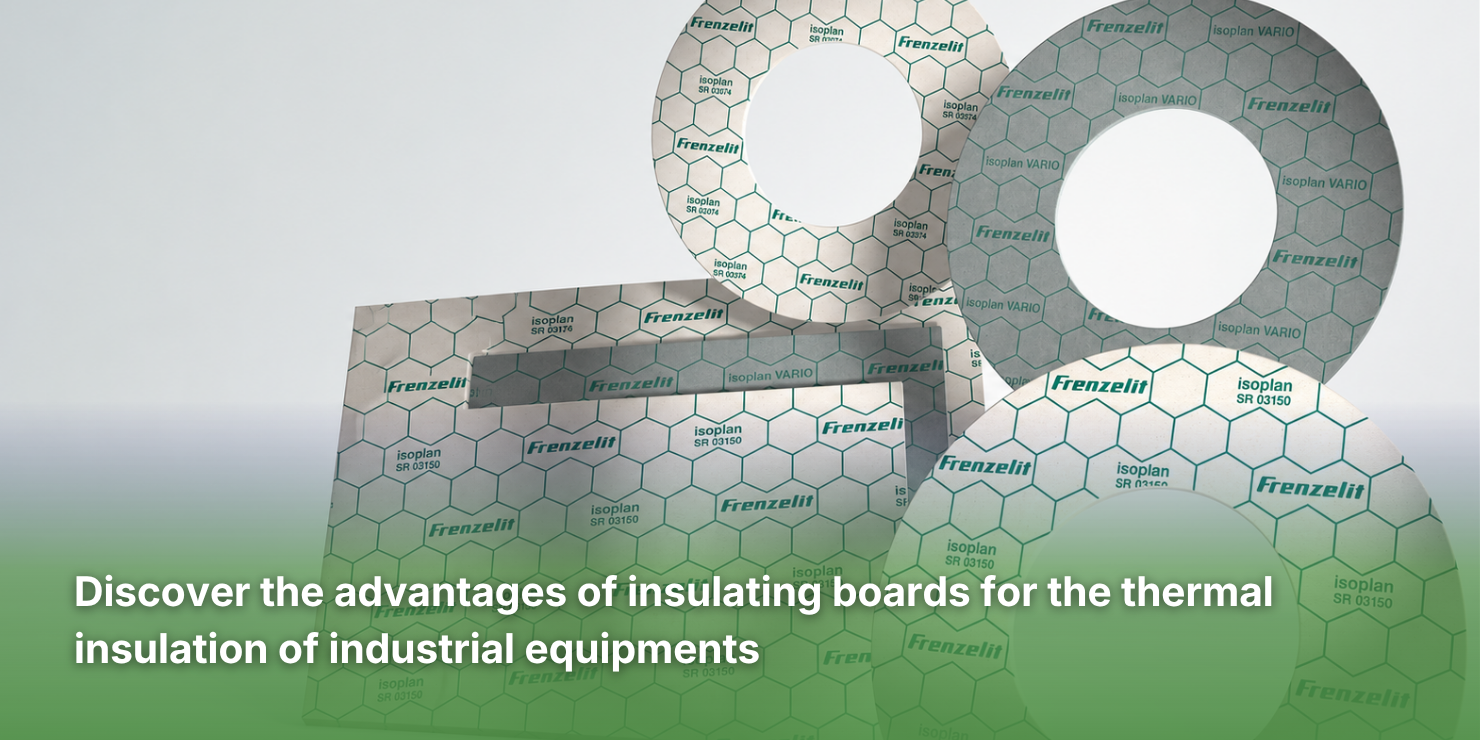
Used in a wide range of industrial applications, insulating boards offer important properties for the thermal insulation of equipment



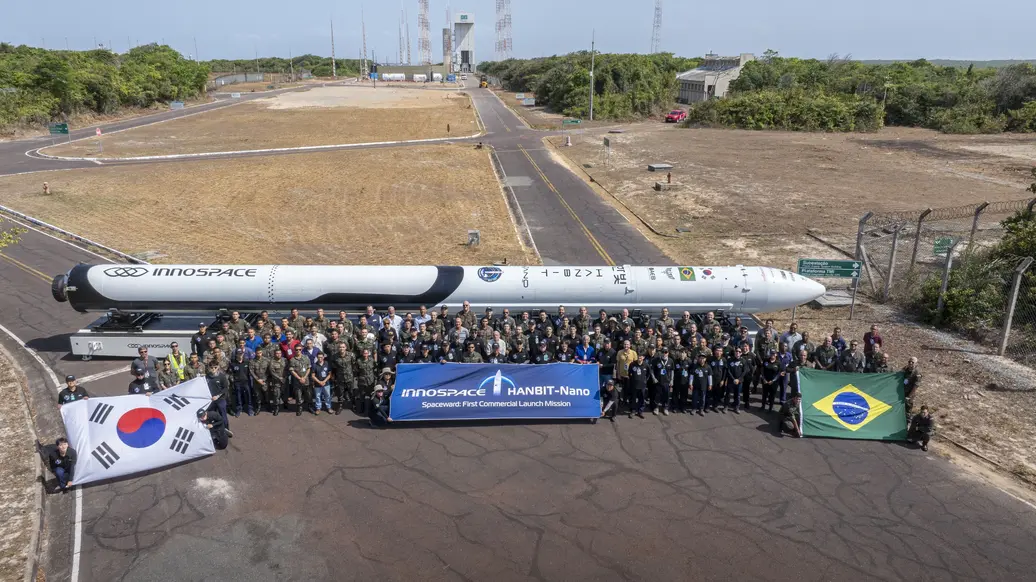
On December 22, 2025, Brazil hosted an important milestone for the commercial space sector: the first commercial launch of the South Korean HANBIT-Nano, carried out from the Alcântara Launch Center (CLA), in Maranhão. The mission was interrupted just seconds after liftoff, but the episode brought a valuable lesson about reliability, assembly, and sealing in systems subjected to extreme conditions.
The HANBIT-Nano is a launch vehicle developed for small orbital missions, measuring approximately 22 meters and weighing an average of 25 tons. During the December launch, the rocket lifted off normally and transmitted flight data during its ascent, which was broadcast live by INNOSPACE.
About 30 seconds after engine ignition, the HANBIT-Nano was passing through the moment known as “Max Q” - the point of greatest aerodynamic stress during a rocket’s flight. After the end of Max Q, even as the rocket moves faster through the atmosphere, the air becomes increasingly thinner, which reduces the aerodynamic forces acting on the vehicle. In other words, this is a phase in which structural integrity and system reliability become even more sensitive.
According to the investigation conducted by CENIPA together with the South Korean space agency and engineers from INNOSPACE, the mission proceeded normally until 33 seconds into flight. At that moment, the HANBIT-Nano presented a critical anomaly, with a combustion gas leak in the front section of the first-stage combustion chamber assembly. This leak led to the rupture of the chamber and, subsequently, to the vehicle breaking apart into multiple pieces.
All safety protocols were followed, with no injuries or damage to ground infrastructure.
During the investigation, the entire flight sequence was reconstructed using telemetry data, images, and operational records, along with a detailed analysis of more than 300 pieces of debris resulting from the incident. The cause identified by the specialists was insufficient compression and uneven sealing performance in the components, resulting from plastic deformation during system reassembly after the replacement of the chamber’s front plug, while preparations for the launch in Brazil were still underway.
This point deserves special attention. In extremely demanding applications, sealing does not depend only on the specified material, but also on geometry, dimensional control, installation procedure, and the stability of the assembly under extreme conditions. When any of these variables falls outside the expected range, the consequence can be catastrophic.
That is precisely why sealing gaskets are, in fact, critical engineering components. In many industrial contexts, seals are still seen as secondary items. However, they play a decisive role in safety, reliability, and operational continuity, factors that are especially important in applications involving high pressure, high temperatures, and aggressive fluids.
The HANBIT-Nano case highlights, in an extreme way, a reality already well known in industry: leaks are rarely an isolated problem. In general, they are the result of a chain of factors involving design, specification, assembly, and operation. For this reason, treating sealing as nothing more than product supply is a dangerous approach.
More than simply selecting a component, it is necessary to understand the application, the actual process conditions, and the risks - whether financial or related to safety - associated with component failure. In sealing engineering, the result depends on the solution as a whole.
Despite the outcome, those who follow the aerospace industry know that the most unlikely result for a first flight test is complete success. The main purpose of these tests is precisely to identify possible failures, compare experimental data with completed simulations, and validate system performance.
The investigation made it possible to reconstruct the flight sequence, analyze more than 300 recovered fragments, and generate technical data for design improvements, assembly processes, and functional verifications. The company states that it intends to carry out a new launch in Brazil in the third quarter of 2026, after implementing the necessary corrections and obtaining authorization from the South Korean space agency.
In industry - whether aerospace or any other - reliability is not the result of a single component, but rather of the correct interaction between design, product, assembly, and field performance. And, in this context, sealing remains one of the most sensitive points in any system.

Used in a wide range of industrial applications, insulating boards offer important properties for the thermal insulation of equipment
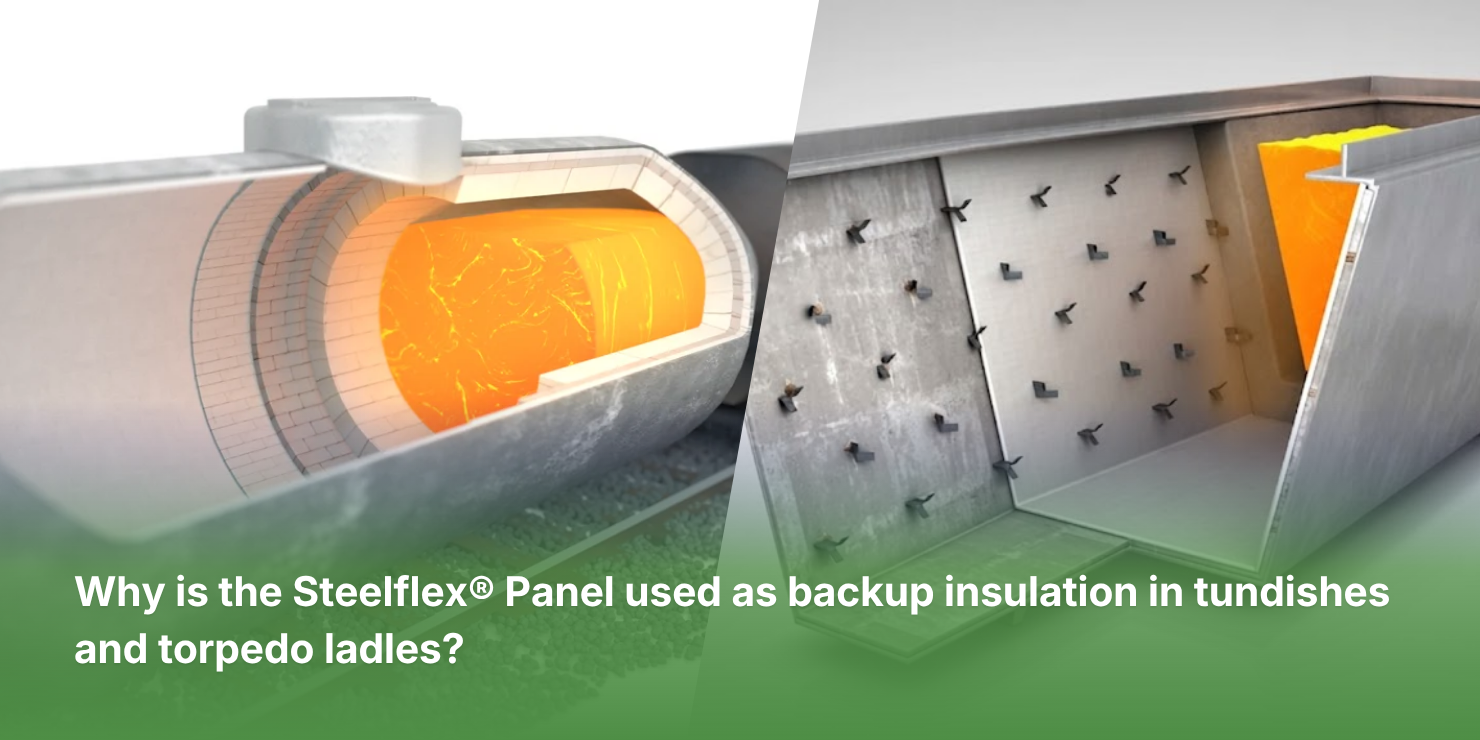
Low thermal conductivity, high mechanical strength, ease of installation and long service life are some of the factors that make Steelflex® an excellent choice for the steel industry.
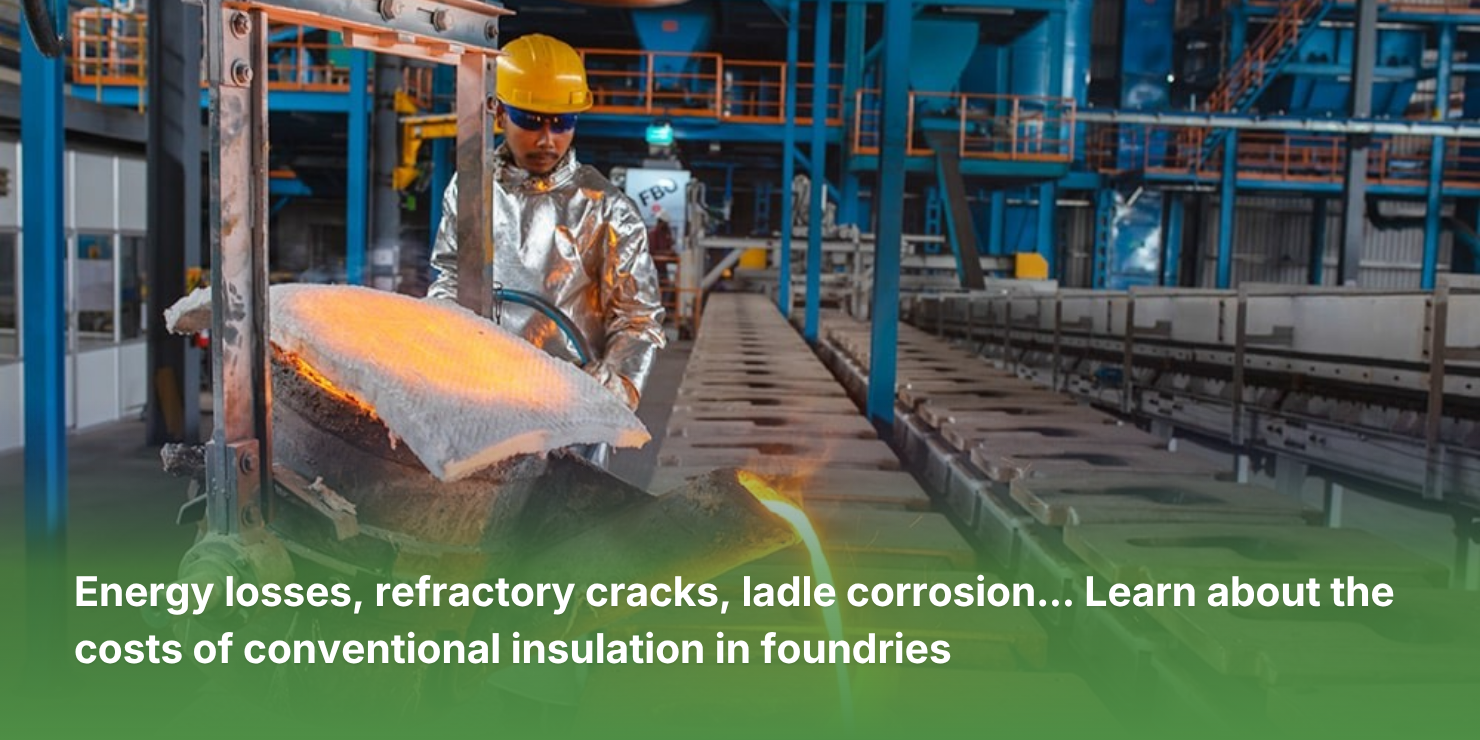
Understand how the use of high-performance insulation materials can provide savings of up to 22% in the energy costs of these plants, while also contributing to relevant process improvements.

 Carregando...


