

Market
August 19, 2026
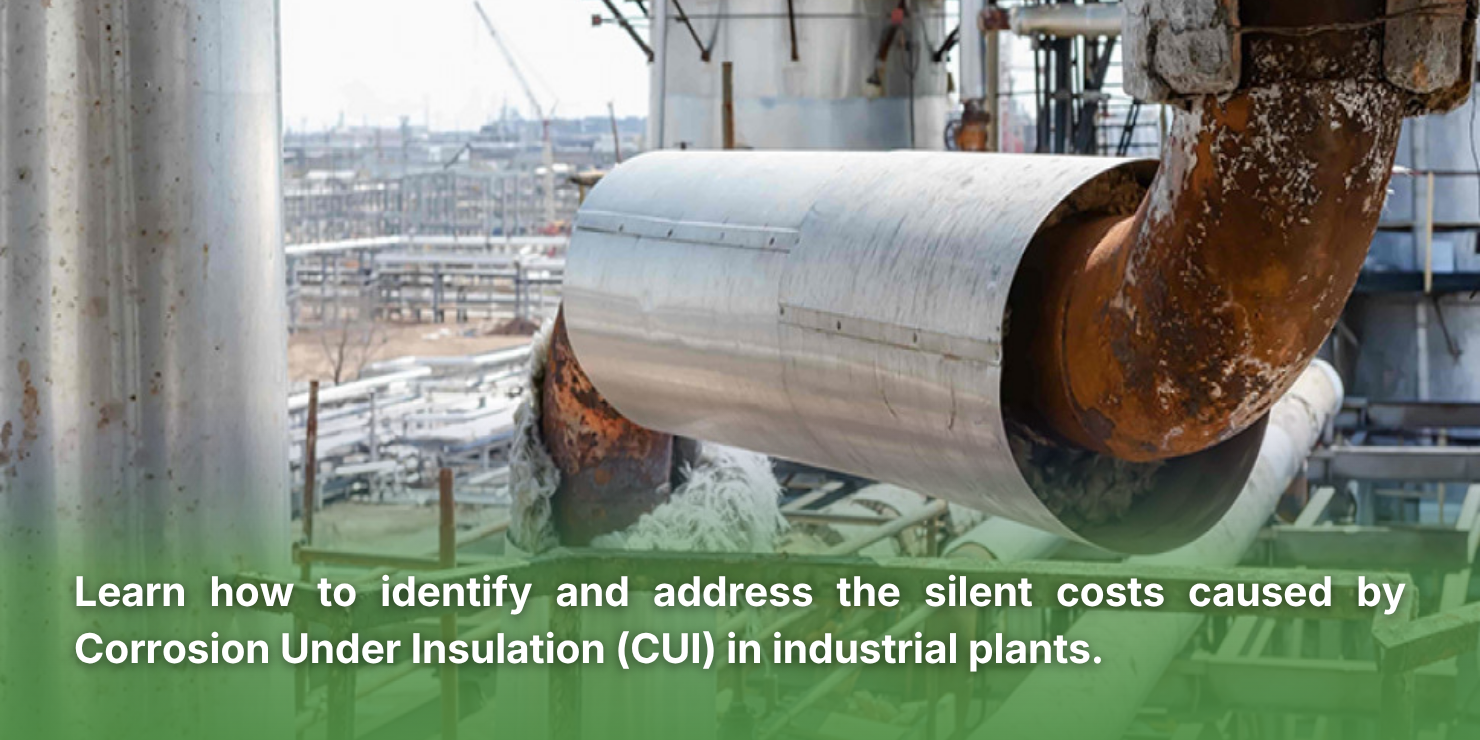
Understand why CUI can remain hidden, the impacts it can have on operations, and how different insulation systems influence asset inspection and maintenance.



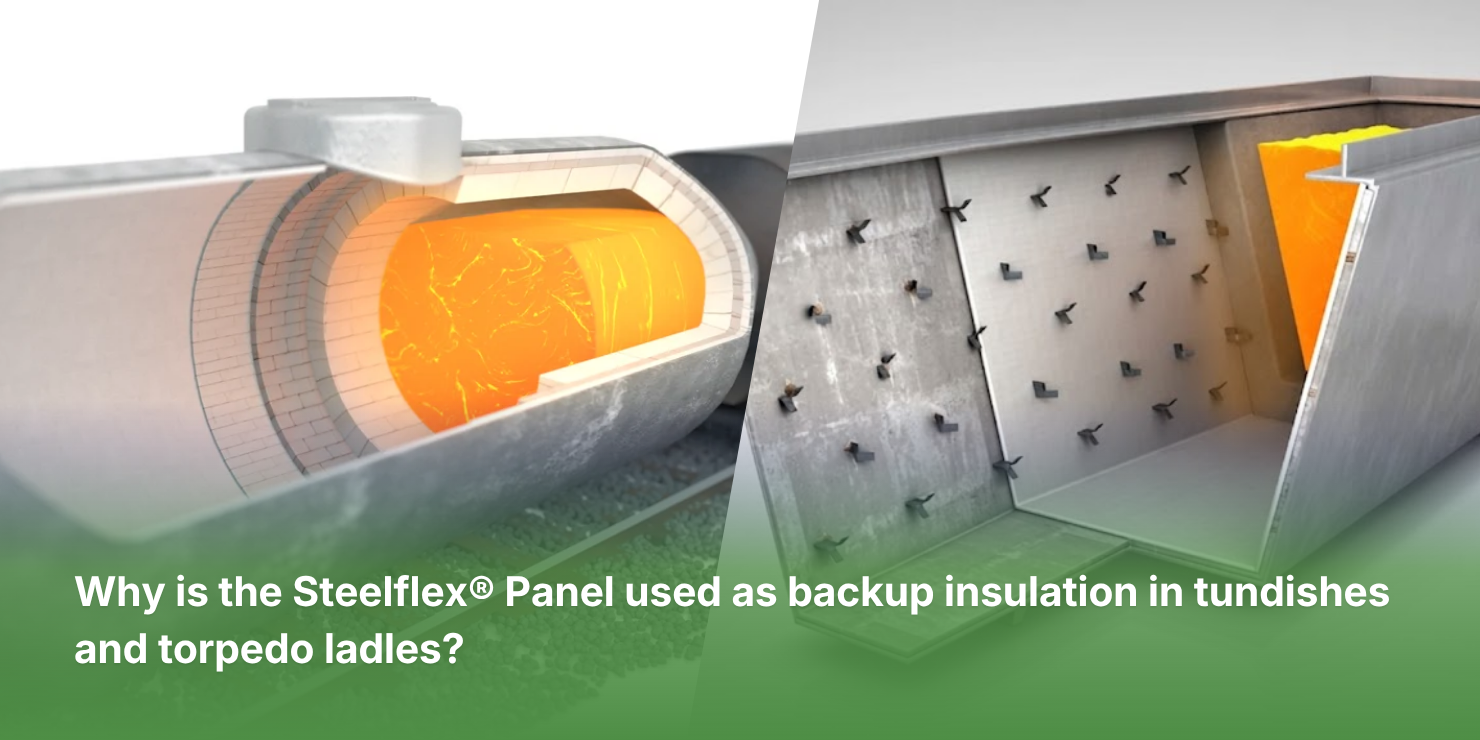
Tundishes, torpedo ladle cars, and other assets in the steel industry operate under extreme conditions. The performance of these assets is directly linked to the insulating layer that forms part of the refractory lining.
The high process temperatures, combined with the high mechanical load imposed by the weight of the refractory and the liquid metal, are only some of the factors that make the specification of thermal insulation for this type of application a critical decision that must be based on reliable results.
In general, there are three clear signs that indicate that a thermal insulation material is not suitable for steelmaking applications:
High thermal conductivity: if the material does not provide sufficient performance, an excessively thick layer will be required to reduce energy losses. This directly impacts the internal volume and capacity of the equipment;
Low mechanical strength: the load generated by the combined weight of the refractory layers and the liquid metal can crush insulation materials that do not have sufficient strength to operate continuously under high temperature and high compression. In this scenario, thickness reduction compromises the insulation performance and may cause cracks in the refractory lining;
Dimensional instability: the insulation must be able to maintain its shape and physical properties throughout operating campaigns, without shrinkage, moisture absorption or loss of integrity.
When the insulation presents these limitations, or even more critically, when no backup insulation layer is used behind the refractory lining, the impacts directly affect operating results. The high heat flow lost through the equipment walls tends to cause:
Higher consumption of electric power or fuel for heating;
Increased CO2 emissions associated with the production process;
Higher temperature in the metallic shell, accelerating oxidation and structural degradation processes;
Premature refractory replacement due to cracking and material wear.
To reduce these impacts and increase operational reliability, steelmaking companies around the world have adopted backup insulation systems that combine low thermal conductivity, high mechanical strength and good dimensional stability.
The Steelflex® Panel stands out in this context as a thin microporous thermal insulation material, with only 5 mm thickness, capable of reducing thermal losses by 20 to 50%.
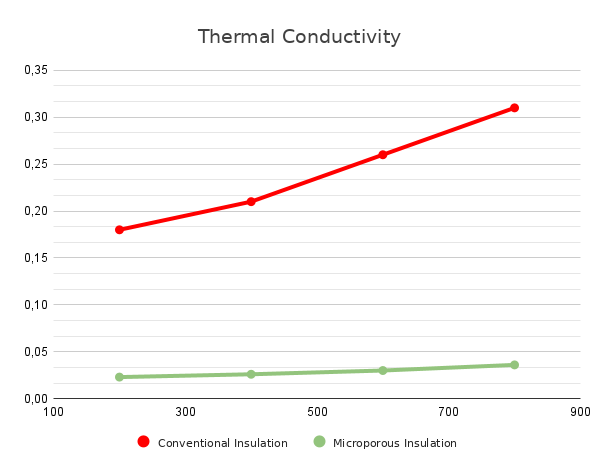
Steelflex® was developed by Promat Materials to meet the requirements of the steel industry, resulting in a high-performance flexible panel, rated for temperatures up to 1100 °C, with compressive strength of 1.02 MPa and thermal conductivity of only 0.032 W/m·K — a value that can be approximately 10 times lower than other conventional insulation options.
In addition to these characteristics, the Steelflex® Panel is vacuum-encapsulated in a high-strength aluminized film. This provides greater ease of installation, as the insulation can be positioned before the refractory mortar is dried, and also increases the durability of the insulation by protecting the microporous core.
These combined factors make Steelflex® a safe and reliable choice for backup insulation in tundishes, furnaces, molten metal transfer ladles, torpedo ladle cars and other equipment used in steel plants or foundries.
The European steel manufacturer Železiarne Podbrezová Group reported the energy efficiency gains achieved by implementing the Steelflex® Panel in its steelmaking assets. The company initially chose to use Steelflex® in its electric arc furnace (EAF) and transfer ladle. After implementing and validating the insulation system in these assets, Steelflex® was also applied in the company’s tundishes.
Operations that have adopted the Steelflex® Panel benefit from more stable processes, 20 to 50% reductions in energy costs and up to 50% reduction in CO2 emissions. In virtually all cases, these results are achieved without increasing the equipment wall thickness and, consequently, without sacrificing capacity.
Contact a Perfil Térmico specialist to understand how your steelmaking operation can benefit from the Steelflex® Panel.

Understand why CUI can remain hidden, the impacts it can have on operations, and how different insulation systems influence asset inspection and maintenance.
Technical Discussions on Opportunities to Advance Industrial Thermal Processes.
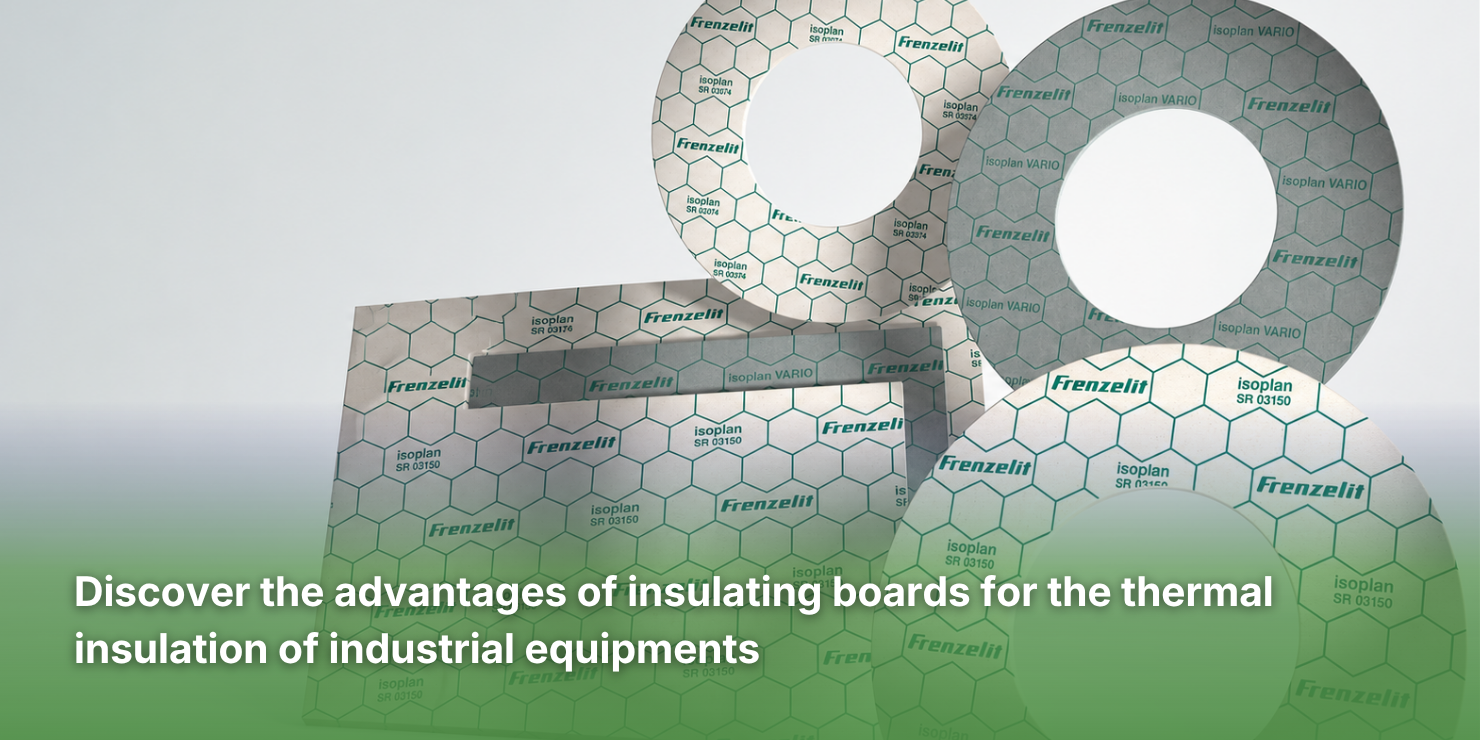
Used in a wide range of industrial applications, insulating boards offer important properties for the thermal insulation of equipment

 Carregando...


