

Mercado
October 16, 2026
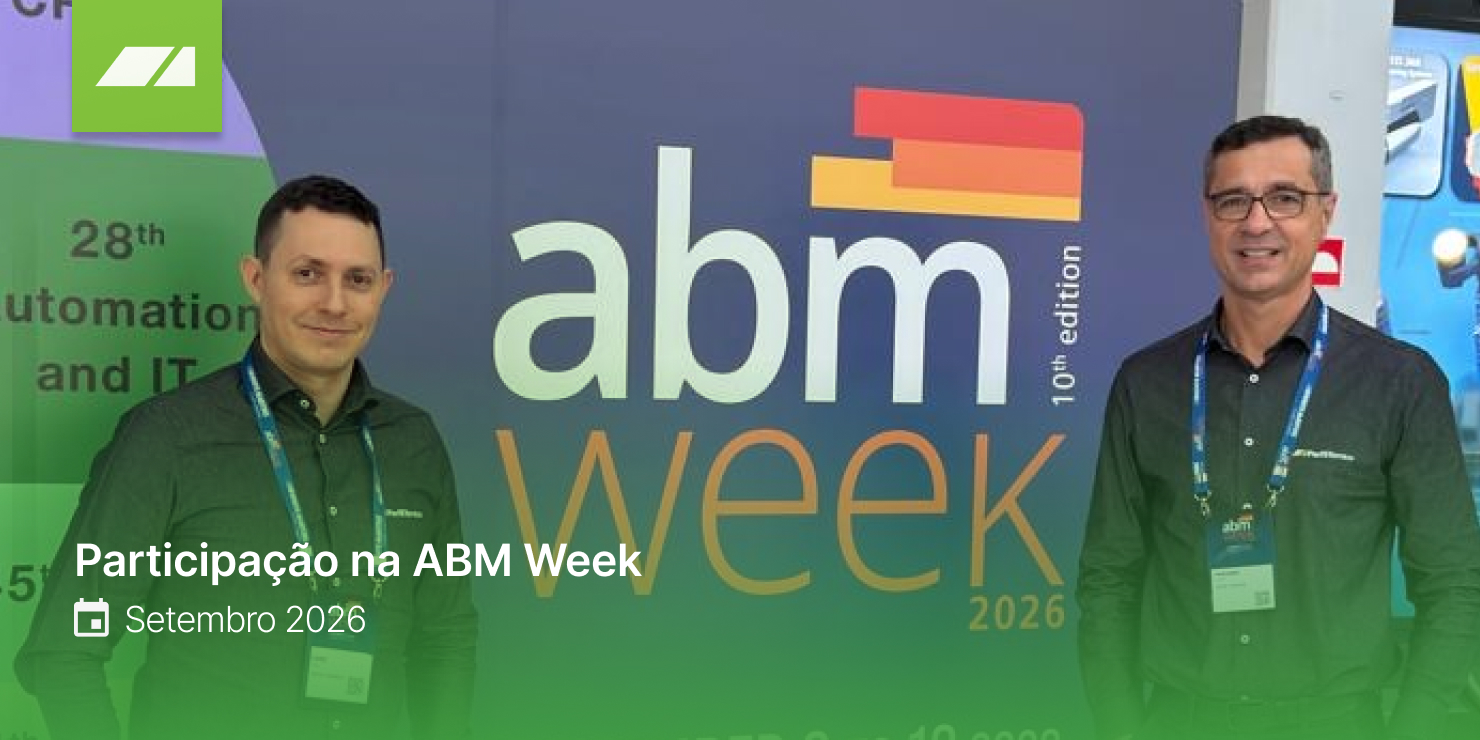
As altas temperaturas industriais e a eficiência energética na ABM Week



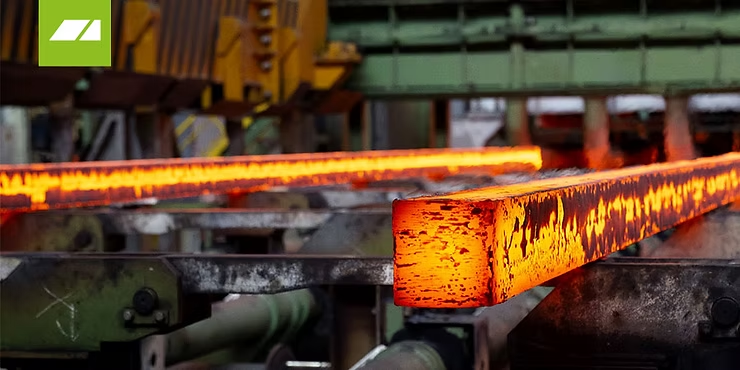
Steel and iron production accounts for around 8% of global CO₂ emissions, according to the International Energy Agency. The traditional steelmaking process, which uses coal as its main energy source, is highly polluting. Transitioning to more sustainable methods is therefore a priority to reduce the industry’s carbon footprint.
An article published in Science highlights several interesting approaches to decarbonizing the steel industry:
Use of Hydrogen: Replacing coal with green hydrogen can drastically reduce CO₂ emissions. Hydrogen is produced from renewable sources and, when used in steelmaking, emits only water vapor.
Carbon Capture and Storage (CCS): This technology allows carbon emissions to be captured before they are released into the atmosphere. Although still under development, CCS may be a viable solution to reduce emissions during the transition to cleaner methods.
Increased Energy Efficiency: Improving the efficiency of production processes is critical. This includes implementing technologies that optimize energy use and reduce waste.
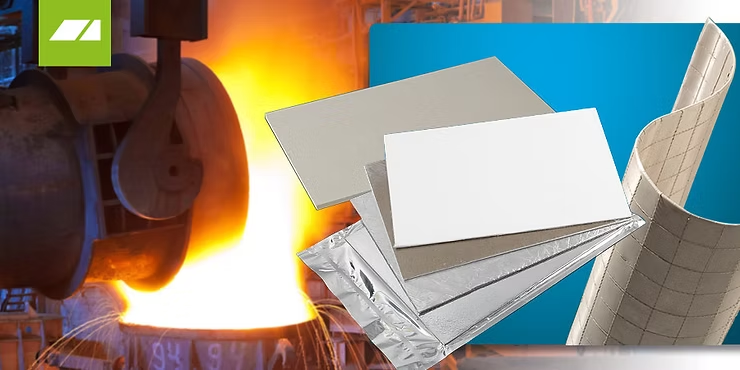
One critical aspect that cannot be overlooked in the decarbonization of the steel industry is the use of high-efficiency industrial thermal insulation. These insulations play a vital role in energy savings by minimizing heat losses during manufacturing processes.
Reducing energy demand not only lowers operating costs but also contributes to lowering carbon emissions. Effective thermal insulation helps maintain ideal temperatures in furnaces and other equipment, allowing processes to operate more efficiently. This is especially important in a sector where precise temperature control is essential to the quality of the final product.
Decarbonizing the steel industry is a challenging but necessary task. The adoption of technologies such as green hydrogen and carbon capture, together with the implementation of high-efficiency thermal insulation, can lead to a significant reduction in emissions.
If you are interested in discovering solutions that can help your company reduce its carbon footprint and improve energy efficiency, contact the Perfil Térmico team. Together, we can work toward a more sustainable and responsible future.

As altas temperaturas industriais e a eficiência energética na ABM Week
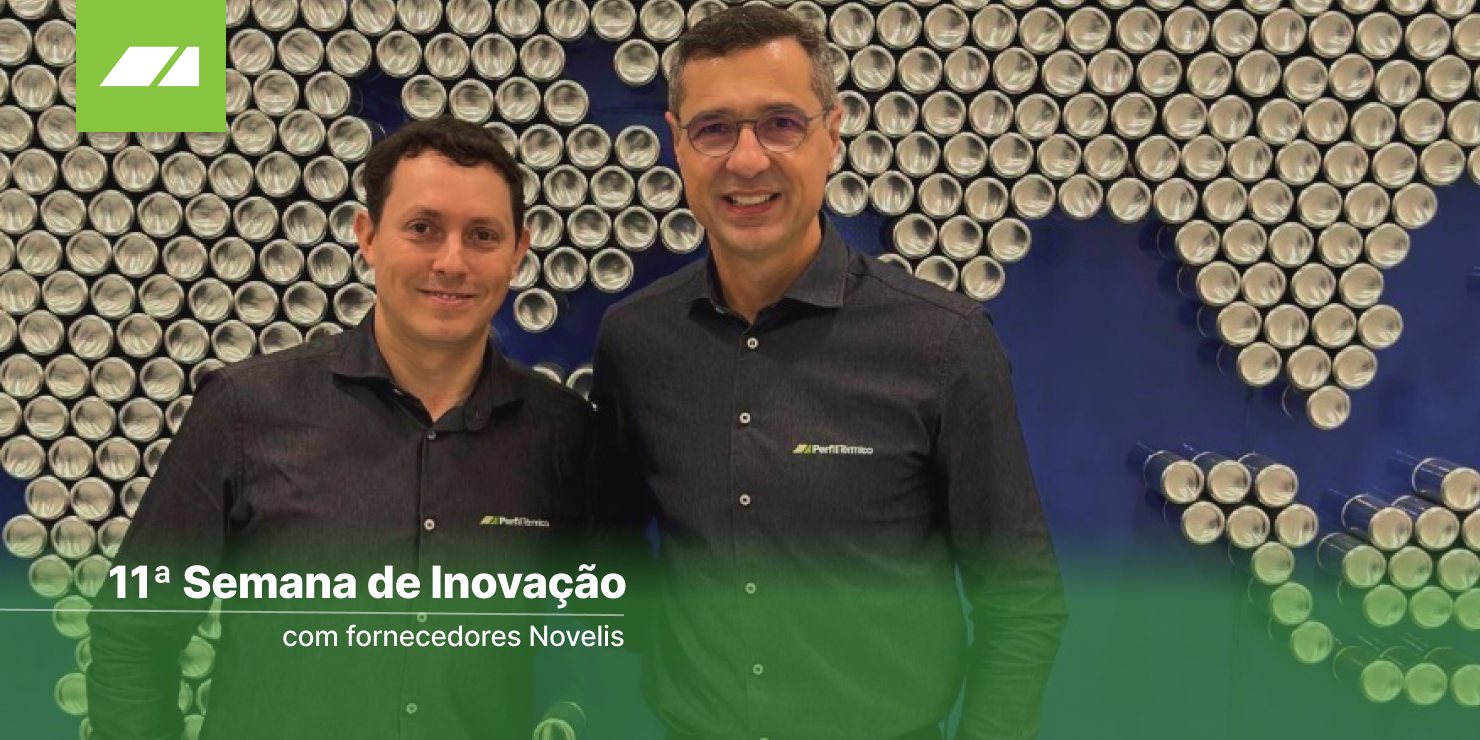
A Perfil Térmico participou da 11ª Semana de Inovação com Fornecedores da Novelis, uma das principais referências mundiais em laminação e reciclagem de alumínio, e o encontro confirmou algo que acompanhamos de perto no dia a dia da indústria: as soluções mais consistentes surgem quando cliente e fornecedor trabalham juntos com a mesma visão.
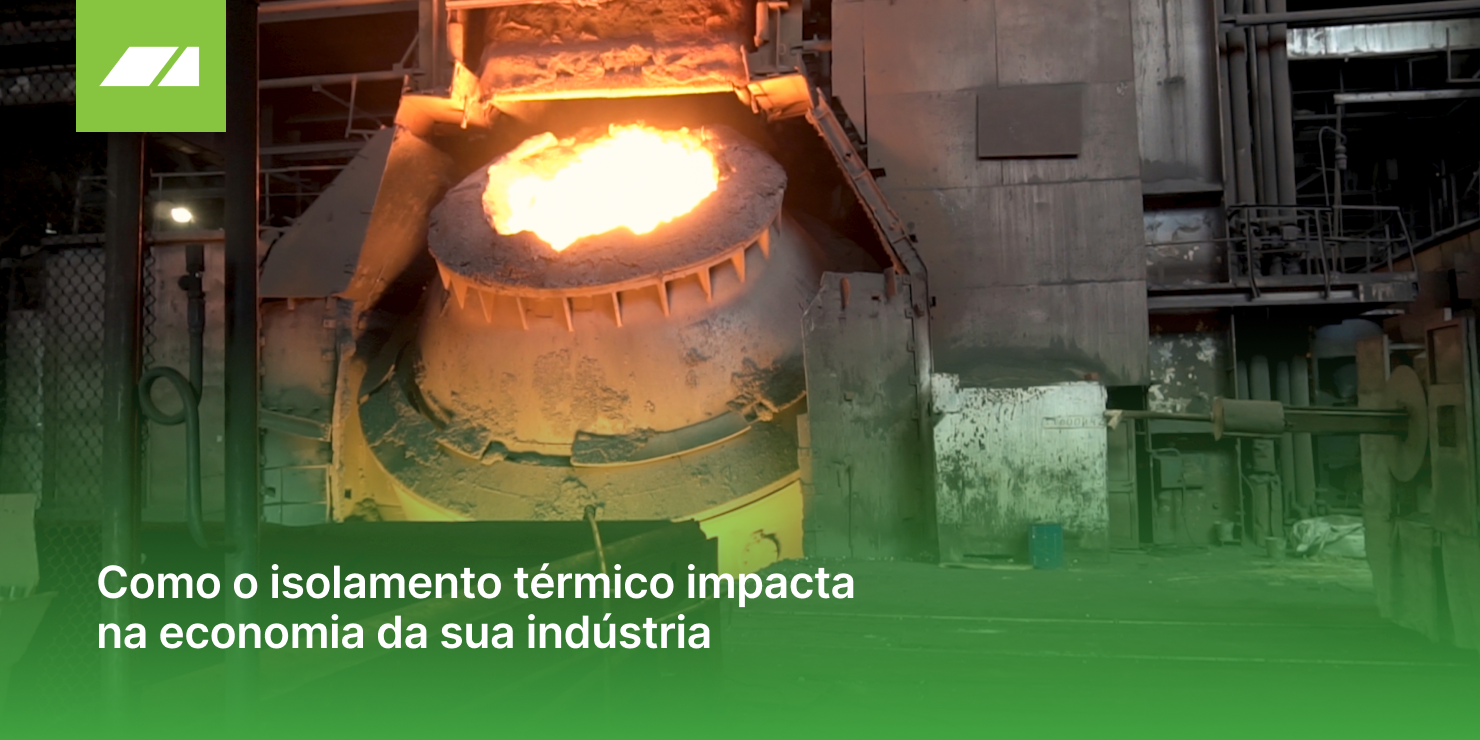
Confira as etapas para calcular a economia do isolamento térmico do seu forno, com exemplo real de retorno em menos de 09 meses


