

Market
August 19, 2026
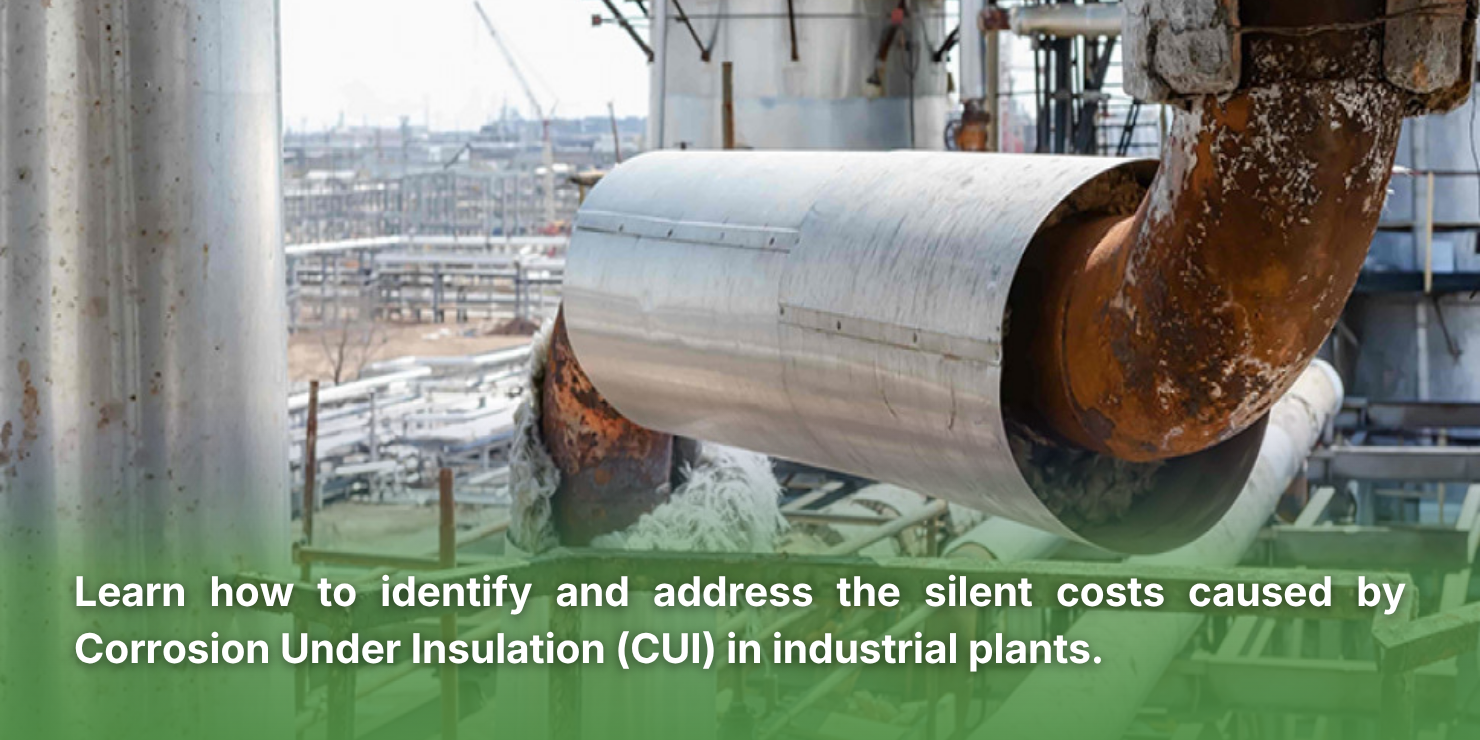
Understand why CUI can remain hidden, the impacts it can have on operations, and how different insulation systems influence asset inspection and maintenance.



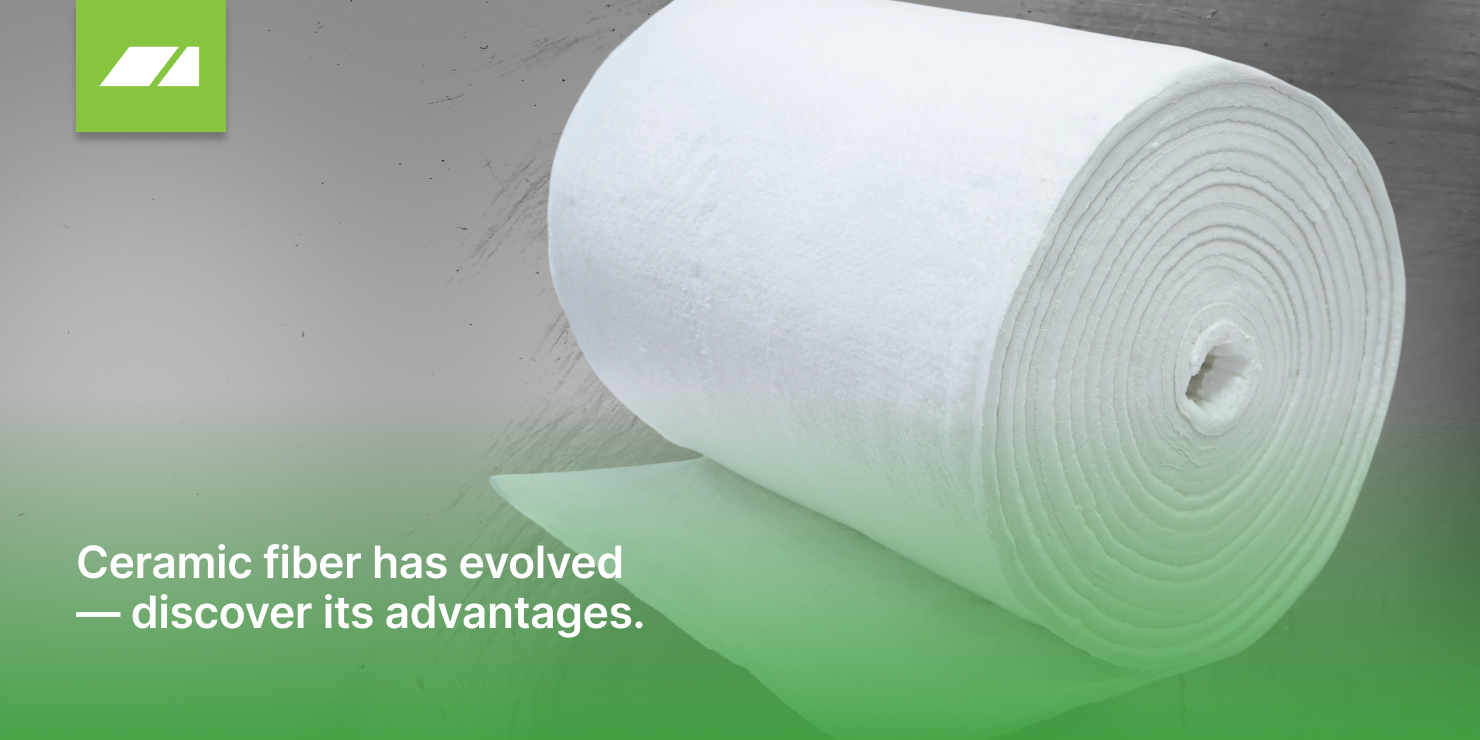
In severe industrial settings — such as high-temperature furnaces and cyclones — the choice of thermal insulation goes far beyond simply resisting heat. It is essential to consider the application conditions, the material’s resistance to aggressive thermal cycling, and even the risk of contamination of the final product by particles from the insulation itself.
It is in this demanding context that Termalblanket LS stands out: a ceramic fiber blanket developed with a low shot content and an optimized composition of silica and alumina—two refractory materials of critical importance to the thermal industry.
“Shot” is the technical term for the non-fibrous oxide particles that remain in fiber blankets after manufacturing. Unlike the fibers, these particles do not contribute to thermal insulation; they are denser, brittle, and tend to detach during handling or operation, generating fine dust that spreads throughout the industrial environment.
Dust accumulation in the industrial environment, which can reduce the lifespan of equipment and devices;
Contamination of the final product, even leading to inclusions in metallic materials;
Handling discomfort and respiratory risks for operators.
For these reasons, Termalblanket LS is manufactured to minimize shot content, promoting cleaner environments, consistent production quality, and greater occupational safety. Additionally, its higher fiber content provides slightly superior thermal insulation compared to conventional blankets.
Silica, a key component in Termalblanket LS, is one of the most widely used materials in insulation manufacturing due to its exceptional heat retention capacity. Its amorphous and highly porous structure limits heat transfer by conduction, resulting in low thermal conductivity.
Alumina, in turn, gives the blanket superior mechanical and thermal strength, ensuring the integrity of the fibers under repeated heating and cooling cycles. This important oxide also guarantees excellent dimensional stability, even at temperatures close to 1260 °C, and provides chemical corrosion resistance in industrial environments with aggressive gases.
The synergy between alumina and silica allows the blanket to withstand high temperatures with minimal thermal shrinkage, maintaining its form and performance consistently over long operating periods.
Beyond its technically advanced composition, Termalblanket LS offers:
Thermal conductivity of only 0.08 W/m·K at 500 °C;
Optimized density of 128 kg/m³, balancing lightness and structural strength;
Excellent tensile strength and thermal stability;
Recommended applications: furnaces, ovens, high-temperature appliances, cyclones, and gas ducts.
If your goal is to combine superior thermal performance with optimized productivity and operational safety, Termalblanket LS is undoubtedly one of the most strategic and reliable choices for industrial insulation.
Learn more here.

Understand why CUI can remain hidden, the impacts it can have on operations, and how different insulation systems influence asset inspection and maintenance.
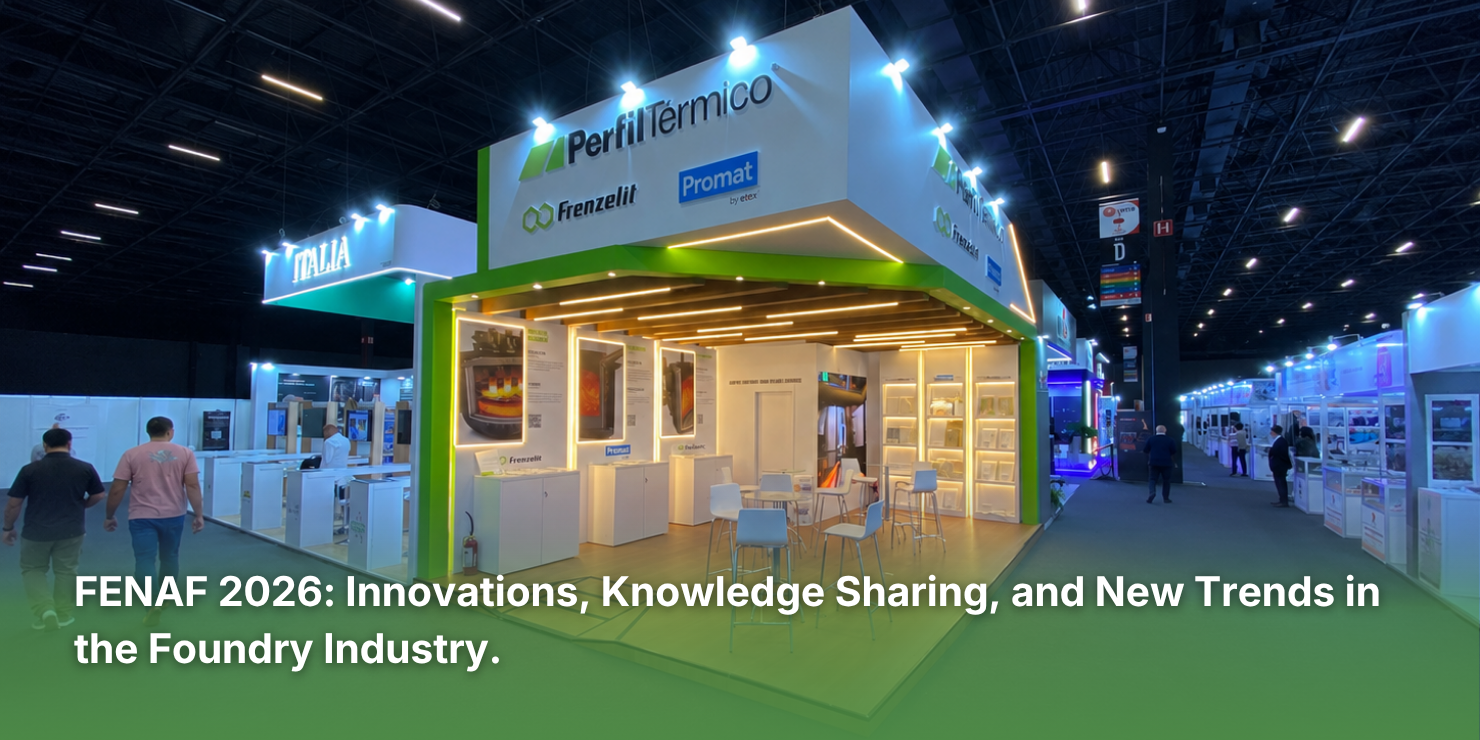
Technical Discussions on Opportunities to Advance Industrial Thermal Processes.
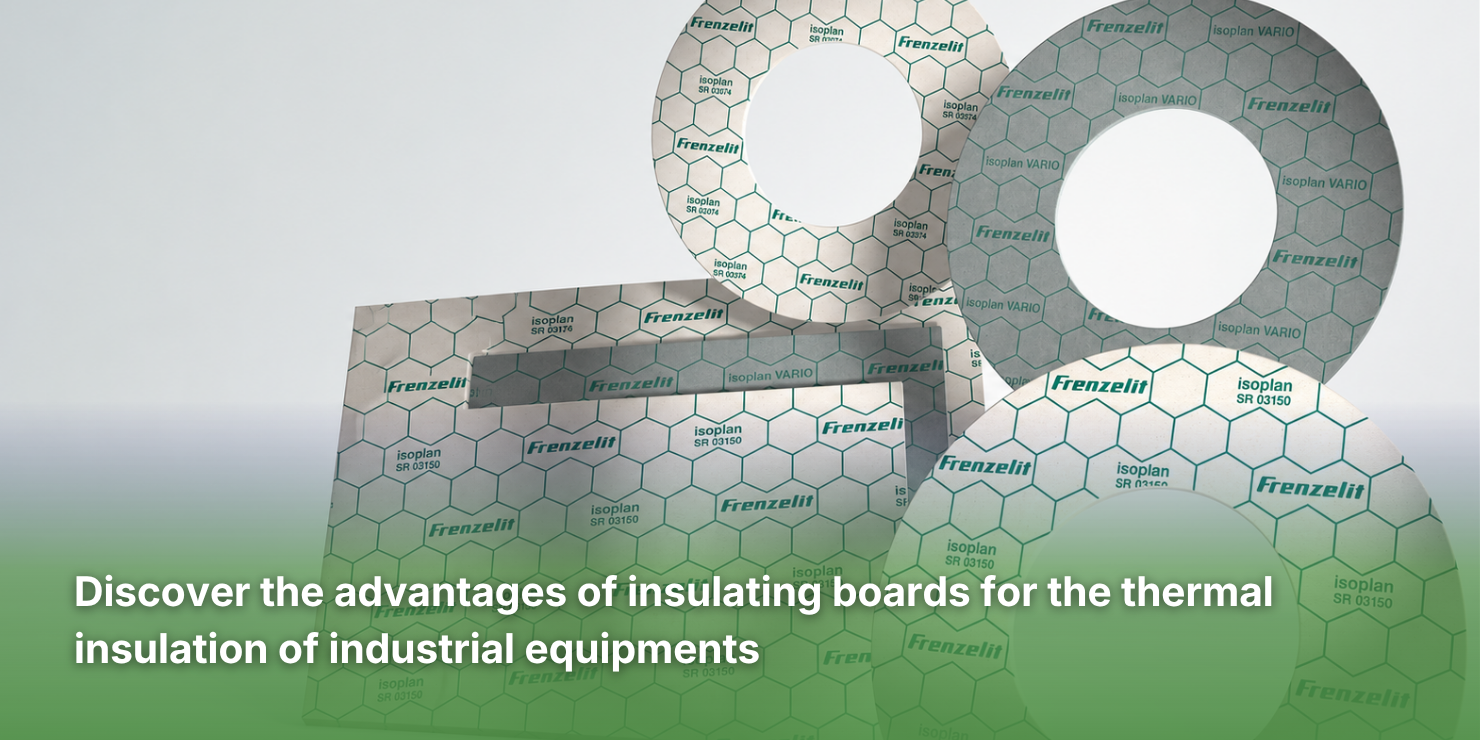
Used in a wide range of industrial applications, insulating boards offer important properties for the thermal insulation of equipment

 Carregando...


