

Market
August 19, 2026
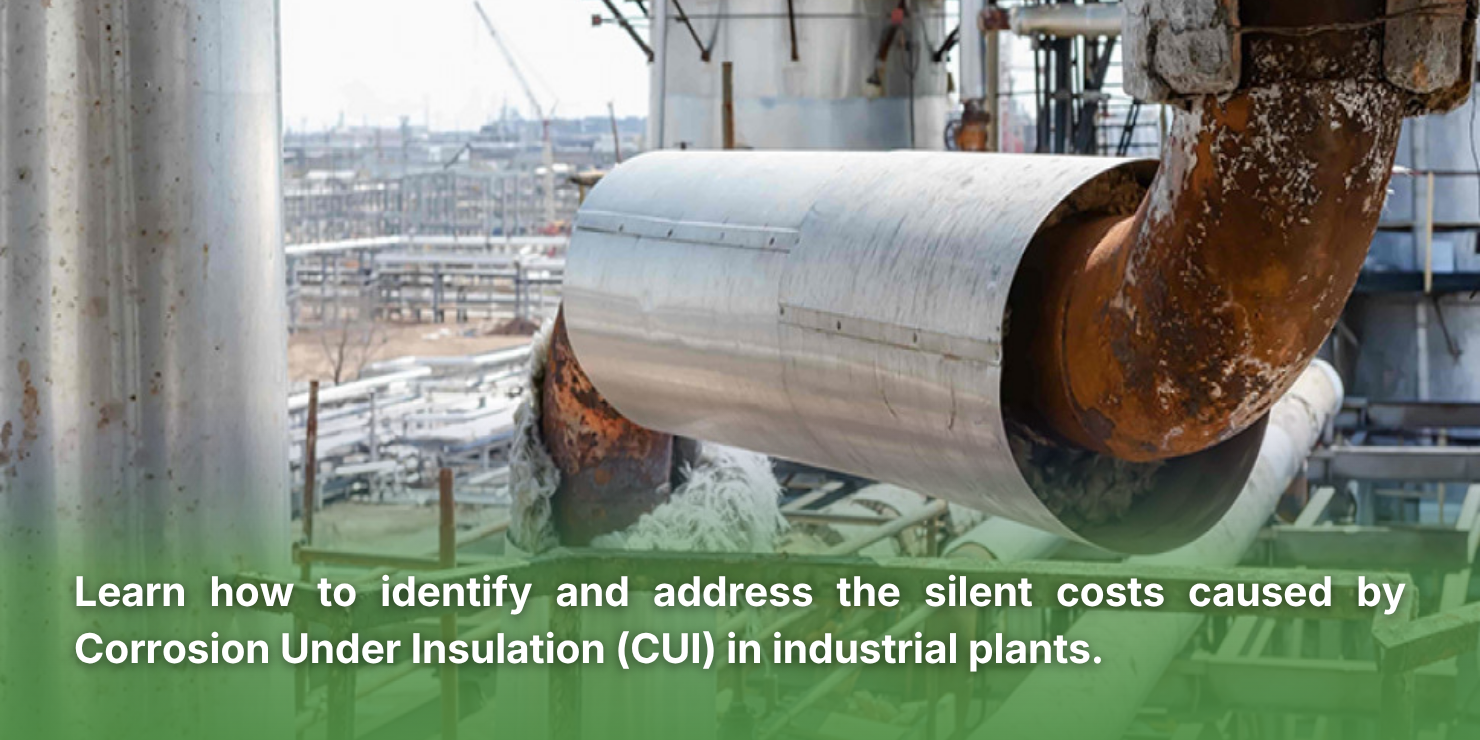
Understand why CUI can remain hidden, the impacts it can have on operations, and how different insulation systems influence asset inspection and maintenance.



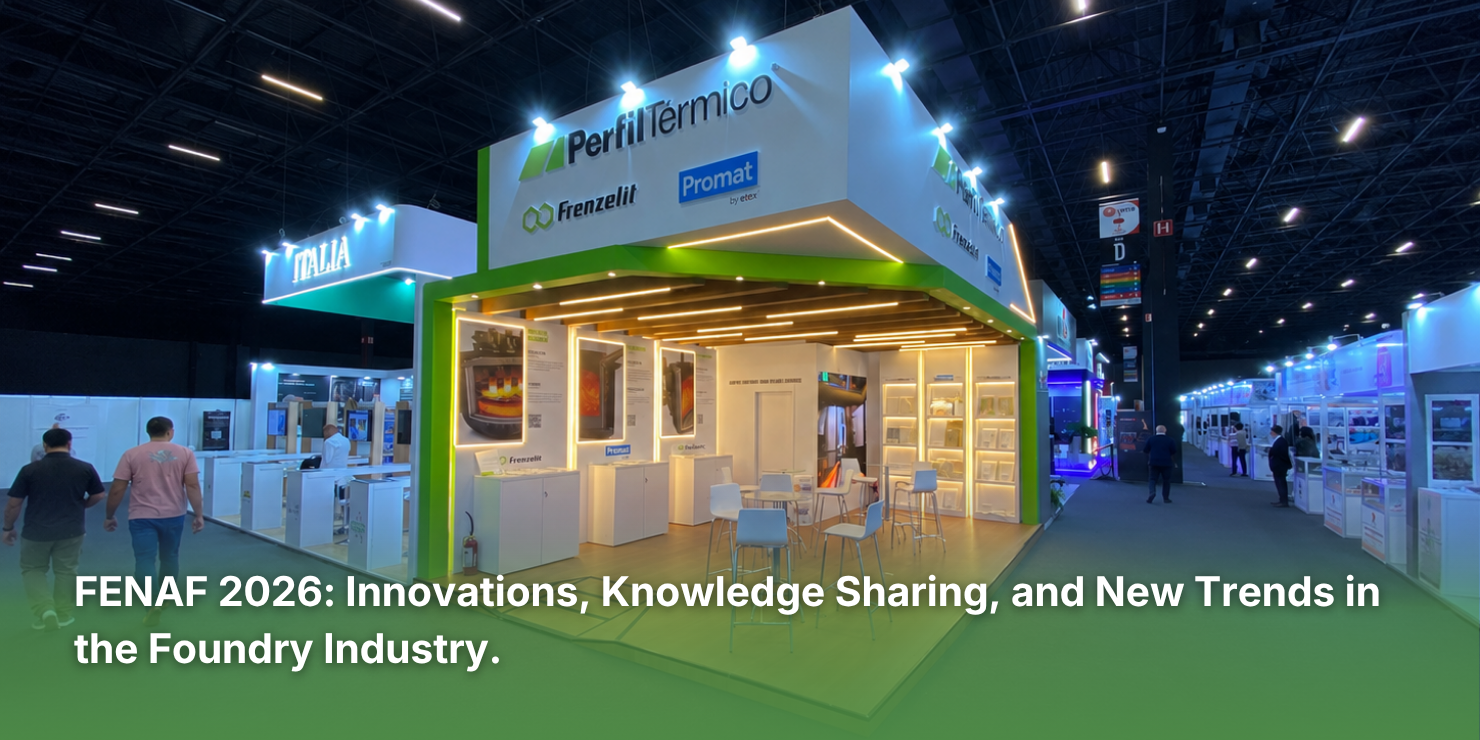
From July 21 to 24, Perfil Térmico participated as an exhibitor in the 21st edition of FENAF, held at São Paulo Expo. At Booth E05, we showcased some of our solutions for the foundry market and welcomed professionals interested in discussing thermal insulation applications for high-temperature processes.
Organized by ABIFA, FENAF is Latin America’s largest trade show dedicated to the foundry supply chain. The event brings together manufacturers, suppliers, specialists, and professionals involved in the different stages of the production process, creating an environment for showcasing new technologies and exchanging experiences.
During the event, Perfil Térmico highlighted nine solutions from its portfolio, designed for different types of equipment and operating conditions:
Flexmica Paper
Isoplan® GREENLINE Board
Isoplan® VARIO Board
Microtherm® Panel
Steelflex® Panel
Promalight® Board
Promasil® Board
isoTHERM® AL-Cover
Termalblanket LS Blanket
These solutions are directly aligned with the foundry industry’s current goals and challenges, such as reducing heat loss and greenhouse gas emissions, improving operational safety, and extending equipment mean time between failures (MTBF).
Reducing heat loss was one of the main topics discussed at our booth during FENAF. In high-temperature processes, using more advanced thermal insulation can reduce equipment heat loss by up to 30%, resulting in a significant reduction in the operating cost of this equipment.
At the same time, reducing heat loss also directly impacts an increasingly important metric: CO₂ emissions and other greenhouse gas emissions associated with industrial production.
The reason is simple: by reducing the amount of wasted energy, the process becomes more efficient and requires less thermal input to reach operating conditions, whether through fuel combustion or electricity consumption.
Investment in high-performance thermal insulation solutions has an ROI that can be readily estimated through a technical analysis based on your process’s actual data. Should you be interested in running a simulation, contact our consultants through the contact form.
The performance of thermal insulation also affects equipment safety conditions and availability. Systems with excessive heat loss have high temperatures on the cold face, increasing the risk of workplace accidents involving burns. In 2024, more than 1,560 work absences due to burn accidents in industry were recorded, according to the Brazilian Burn Society (SBQ).
Operating temperatures also directly affect equipment durability. When continuously subjected to severe thermal conditions, refractory materials may experience accelerated wear due to thermal expansion, while metal alloys undergo accelerated corrosion. This results in a shorter mean time between failures (MTBF) and a greater risk of unplanned shutdowns.
In molten metal transfer ladles, for example, continuous exposure of the metal shell to high temperatures promotes ovalization. This deformation alters the equipment’s geometry and can cause stresses and cracks in the refractory lining.
During FENAF, this topic came up in discussions about ladles, furnaces, and other equipment subjected to intense thermal cycles. In each case, material selection must consider not only thermal conductivity and operating temperature, but also factors such as mechanical strength, dimensional stability, and equipment geometry.
A combined assessment of these criteria makes it possible to specify insulation systems optimized for the actual process conditions, helping to control temperatures, reduce corrective interventions, and improve equipment safety and availability.
If your company did not attend FENAF but would like to discuss its thermal insulation system and identify potential opportunities to improve its thermal process, contact our team to arrange a technical assessment.

Understand why CUI can remain hidden, the impacts it can have on operations, and how different insulation systems influence asset inspection and maintenance.
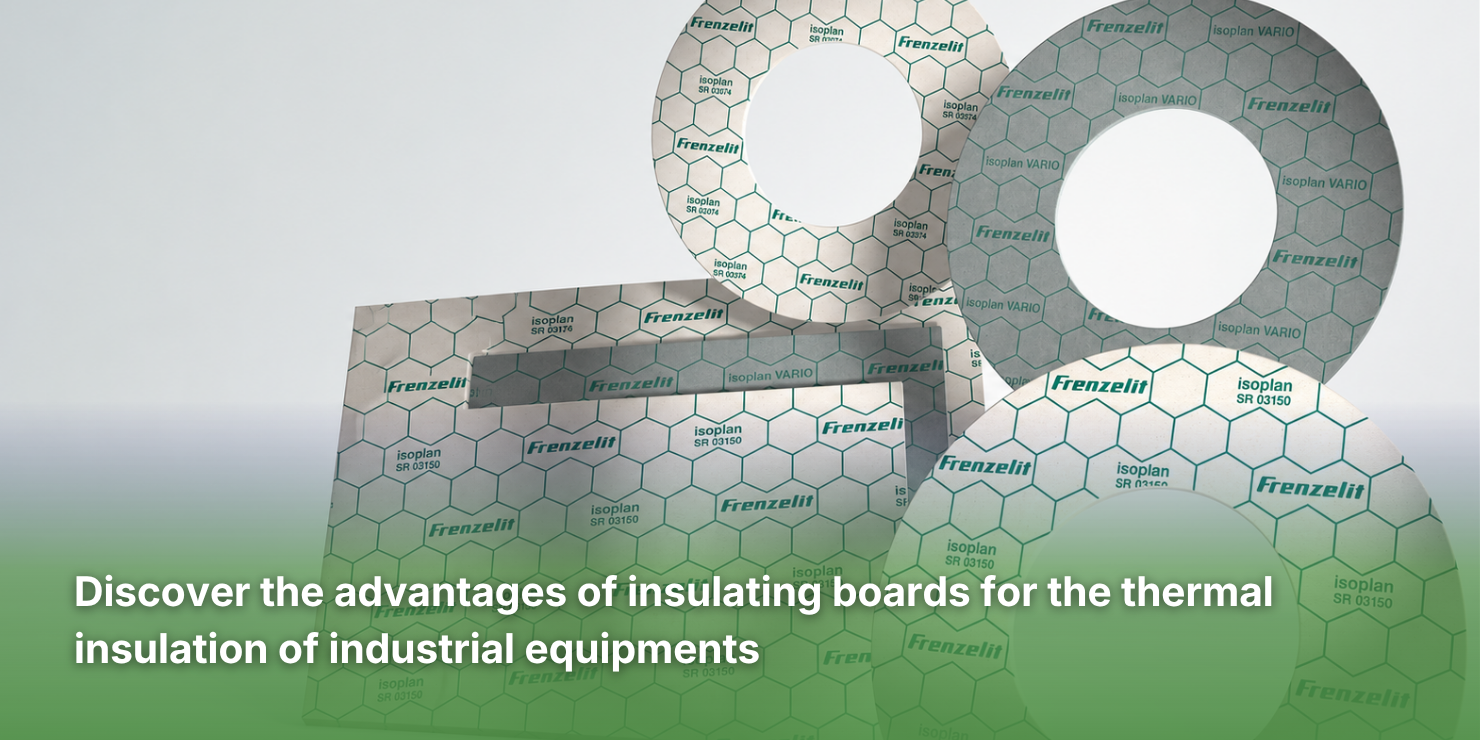
Used in a wide range of industrial applications, insulating boards offer important properties for the thermal insulation of equipment
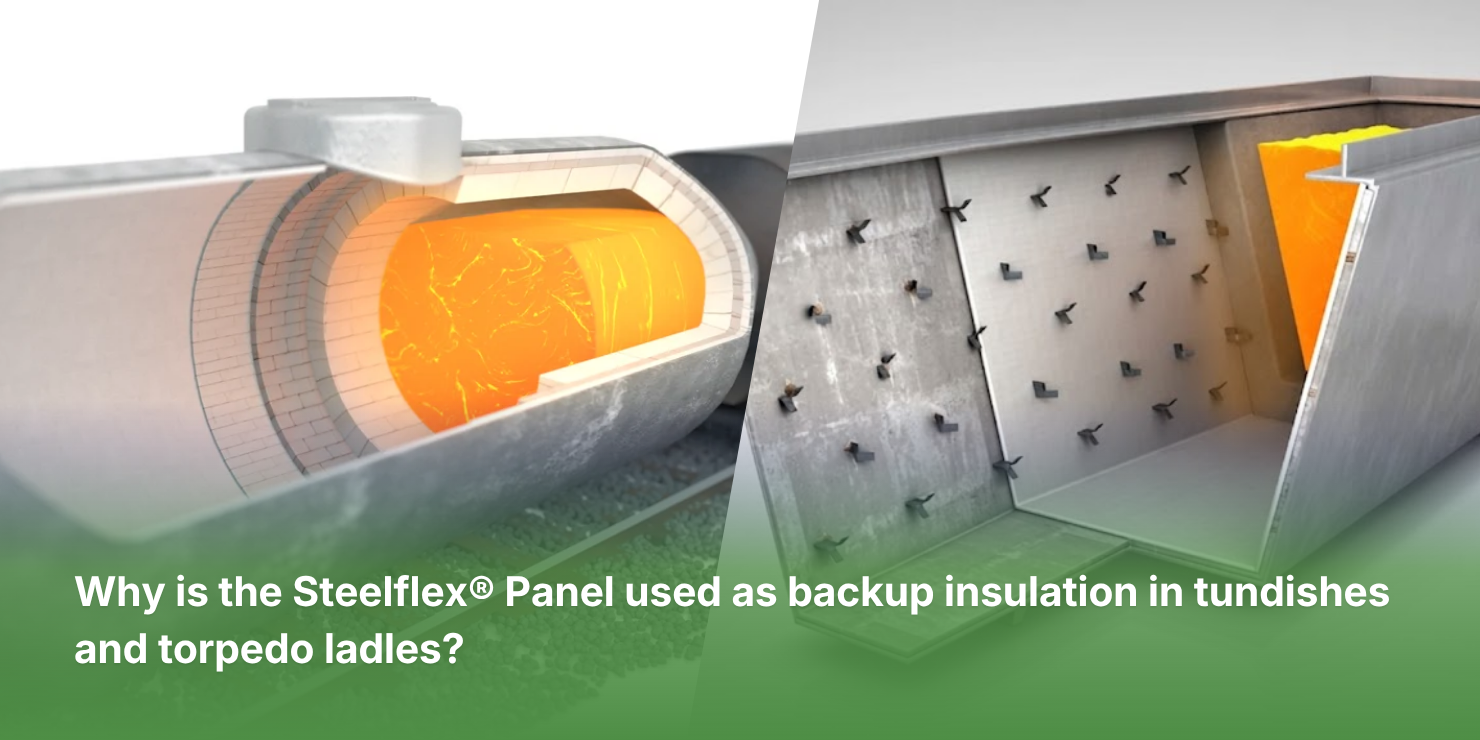
Low thermal conductivity, high mechanical strength, ease of installation and long service life are some of the factors that make Steelflex® an excellent choice for the steel industry.

 Carregando...


