

Market
August 19, 2026
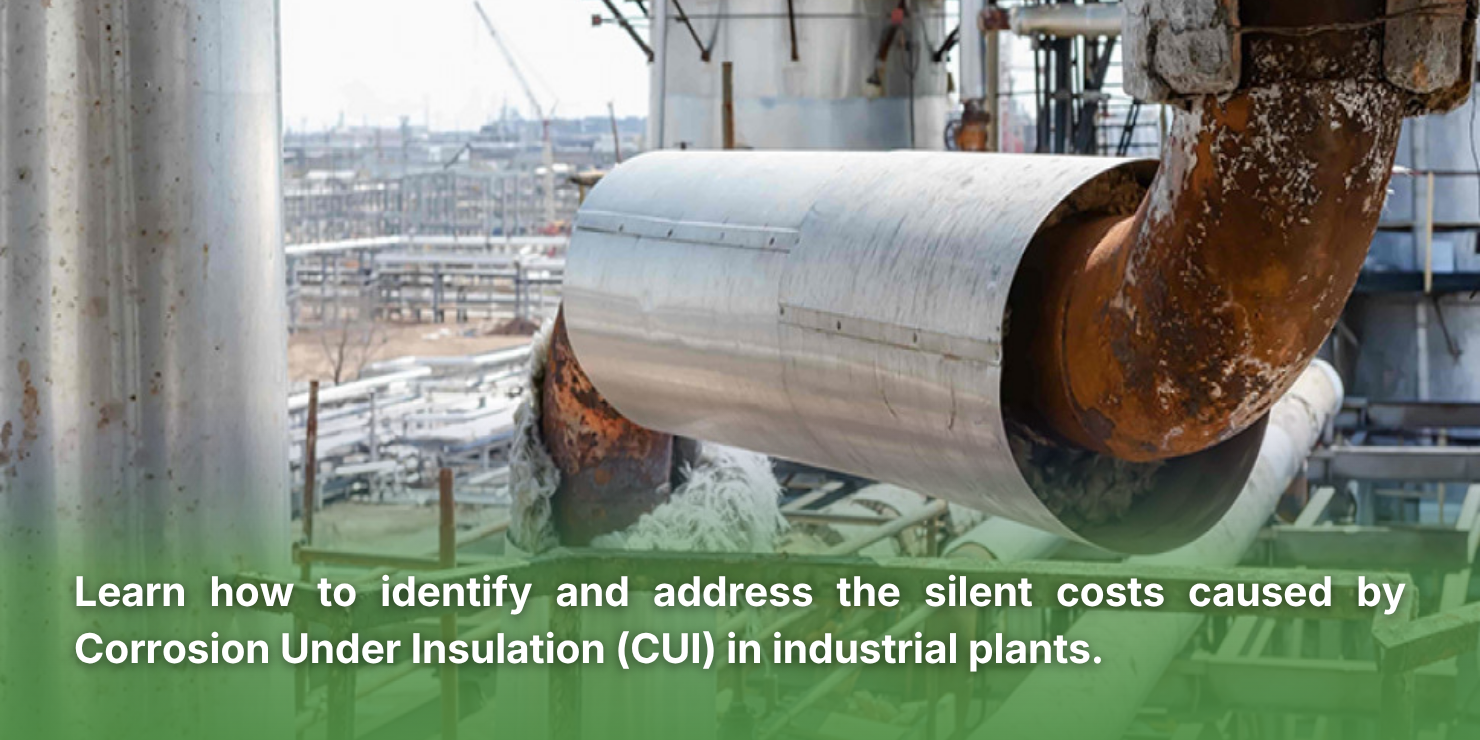
Understand why CUI can remain hidden, the impacts it can have on operations, and how different insulation systems influence asset inspection and maintenance.


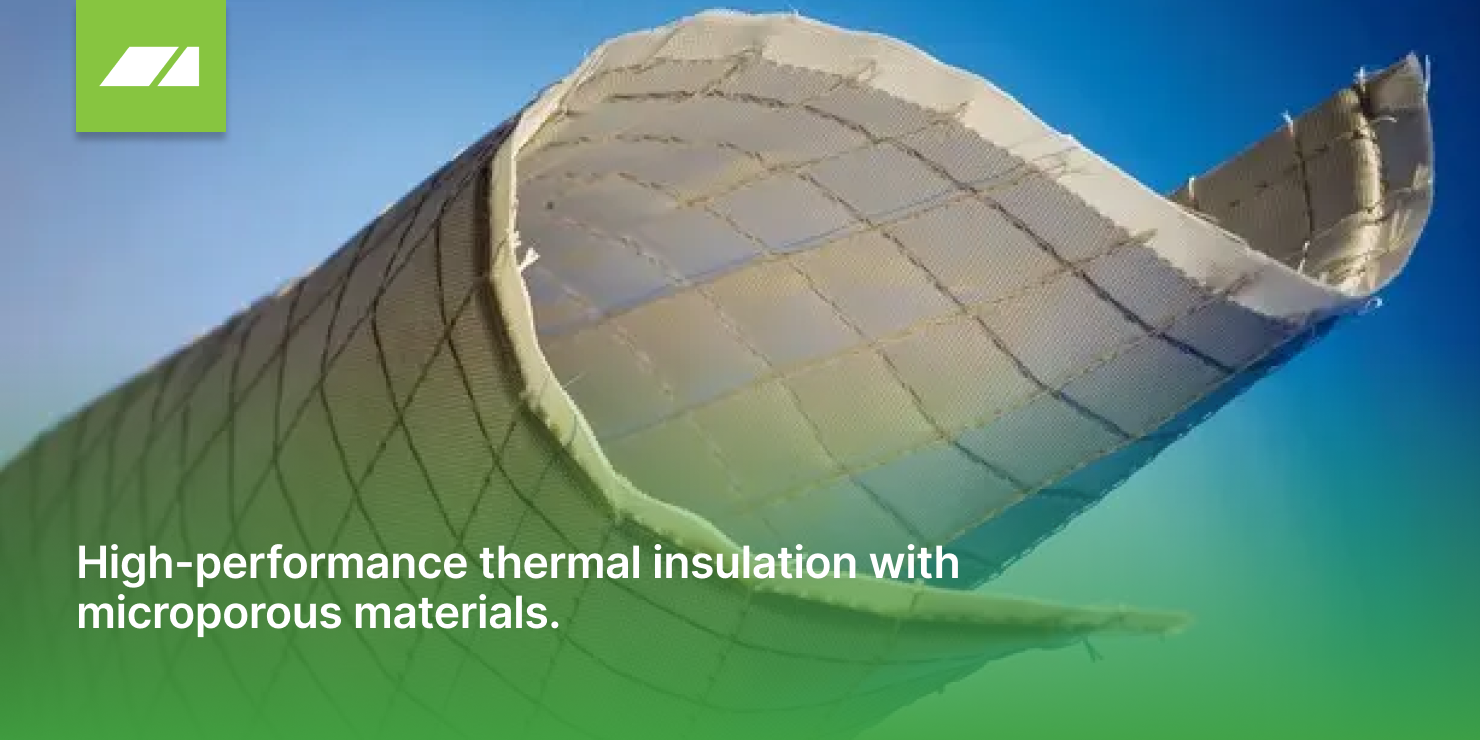
In industries such as steelmaking and foundries, where temperatures routinely exceed 1,000 °C and the backup insulation directly affects process performance and reliability, microporous materials have emerged as a modern, high-efficiency solution — the most advanced thermal insulators available today — providing direct energy savings and greater process stability.
Microporous materials are a family of high-performance thermal insulators manufactured through the compression of pyrogenic silica combined with additives and opacifiers. However, the true secret of their performance lies not in their composition, but in their microstructure.
The advanced production technology creates an ultra-fine network of micropores — cavities smaller than 2 nanometers in diameter. This traps air — a natural insulator — within the structure, creating a microscopic barrier that, together with the compact matrix of pyrogenic silica and opacifiers, effectively blocks all three mechanisms of heat transfer:
conduction, convection, and radiation.
The result is a material with thermal conductivity around 0.032 W/m·K, capable of reducing thermal losses by up to 60%.
Perfil Térmico offers three microporous insulation solutions, each designed for specific industrial challenges: the PROMALIGHT® Board, the STEELFLEX® Panel, and the MICROTHERM® OVERSTITCHED.
In ladles, torpedo cars, and molten metal runners, thermal losses and frequent refractory replacements lead to high energy costs and production downtime — with ladles remaining out of operation for more than 15 days during maintenance. The STEELFLEX® Panel was developed specifically to overcome these challenges.
It is a flexible microporous insulation rated for temperatures up to 1,100 °C, with ultra-low thermal conductivity (0.032–0.064 W/m·K) and compressive strength of 1.02 MPa. Encapsulated under vacuum within an aluminized film, it minimizes radiative heat losses — especially critical at high temperatures — while protecting the microporous core against moisture and chemical agents.
Thanks to these properties, STEELFLEX® is the ideal choice for backup insulation in ladles and similar equipment, reducing energy consumption required for heating and extending maintenance intervals by several months. The result is higher productivity and greater process reliability.
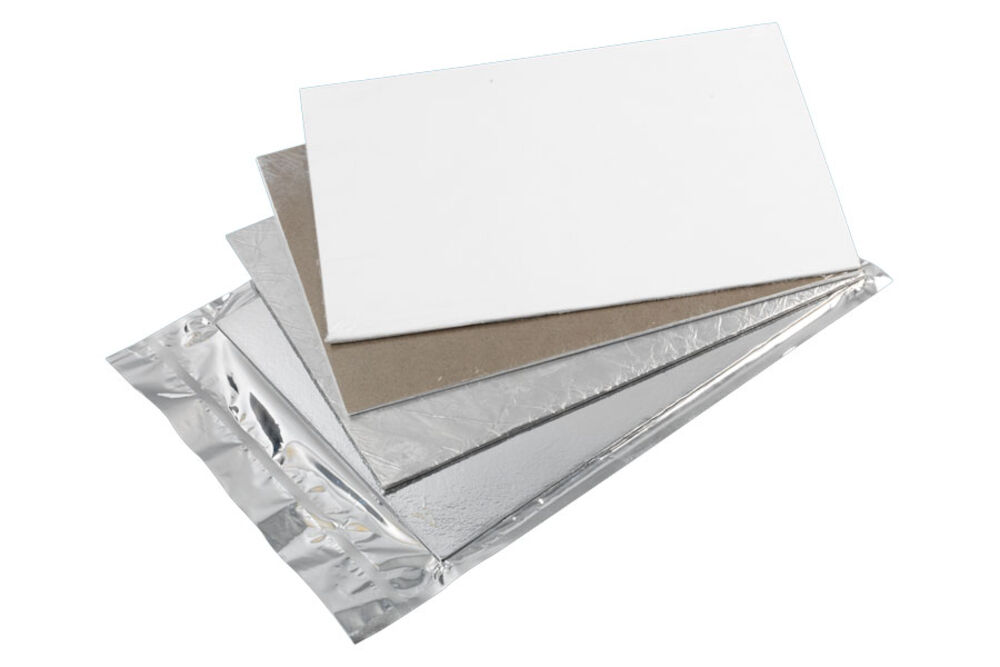
The PROMALIGHT® Board is a rigid microporous panel that combines lightweight modularity with outstanding thermal performance. With a density of only 280 kg/m³ and ultra-low thermal conductivity (0.023–0.036 W/m·K) — up to 10 times lower than conventional insulations — PROMALIGHT® features the lowest thermal conductivity among the three microporous types.
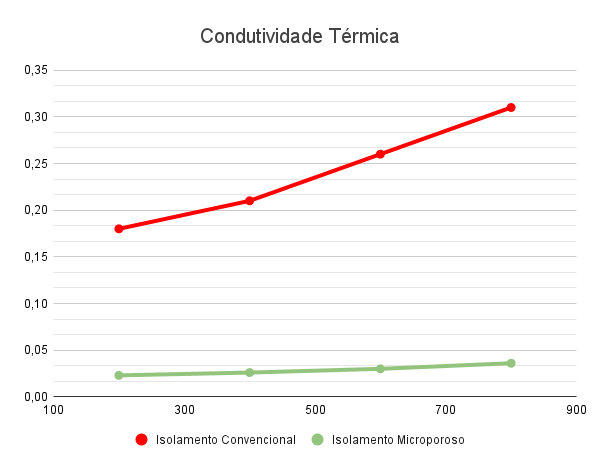
Another advantage is its workability: PROMALIGHT® can be machined, sawed, drilled, or punched with simple tools, and easily fixed using adhesives, glues, or mechanical fasteners such as pins and clips.
These characteristics make it ideal for backup insulation in high-temperature melting furnaces, as well as in thermal batteries, dosing systems, and even solid oxide fuel cells (SOFCs).
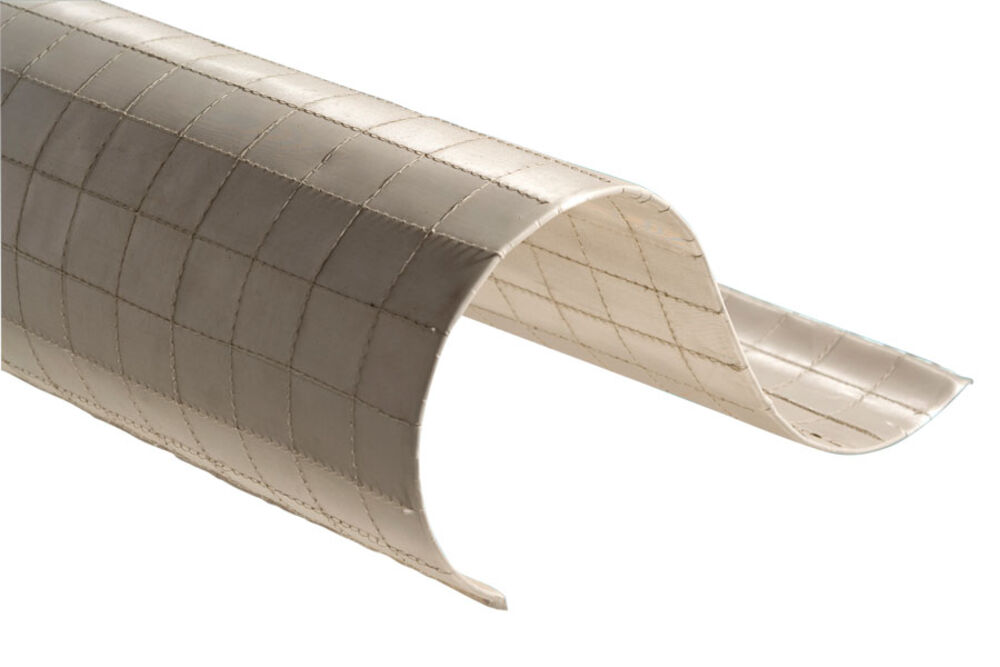
MICROTHERM® OVERSTITCHED is designed for thermal insulation of complex geometries, such as piping and curved equipment.
It consists of small 50 × 50 mm microporous panels stitched together using E-glass fiber cloth.
This configuration gives the material excellent flexibility and adaptability to curved and irregular surfaces while maintaining exceptional thermal conductivity (0.026–0.063 W/m·K) and low weight (density around 220 kg/m³).
It can be easily shaped with simple tools and fixed using adhesives or mechanical methods (anchoring pins, clips, or nails). Its flexible design, combined with the fiberglass outer cover, ensures clean, easy installation and excellent handling characteristics.
Since they share the same technological base, all microporous insulators offer key properties and advantages for industrial applications:
Extremely low thermal conductivity, even at very high temperatures — achieving up to 60% energy savings
Reduced thermal wear, requiring less frequent maintenance and minimizing downtime losses
Non-combustible and safe, with no respirable fibers or health hazards
Higher productivity, thanks to thinner insulation layers that maximize usable volume compared to conventional materials
Still, each material offers unique strengths:
STEELFLEX® Panel: engineered for steel plants and extreme conditions, with excellent compressive resistance.
PROMALIGHT® Board: offers exceptionally low thermal conductivity and outstanding modularity, suitable for temperatures up to 1,200 °C.
MICROTHERM® OVERSTITCHED: ideal for complex geometries, combining high performance with minimal thermal loss.
We invite you to contact the Perfil Térmico team to receive exclusive technical materials, including real-world case studies, comparative charts, and performance data — so you can analyze how this cutting-edge technology can benefit your operation.
Watch our video about microporous insulation on our YouTube channel.

Understand why CUI can remain hidden, the impacts it can have on operations, and how different insulation systems influence asset inspection and maintenance.
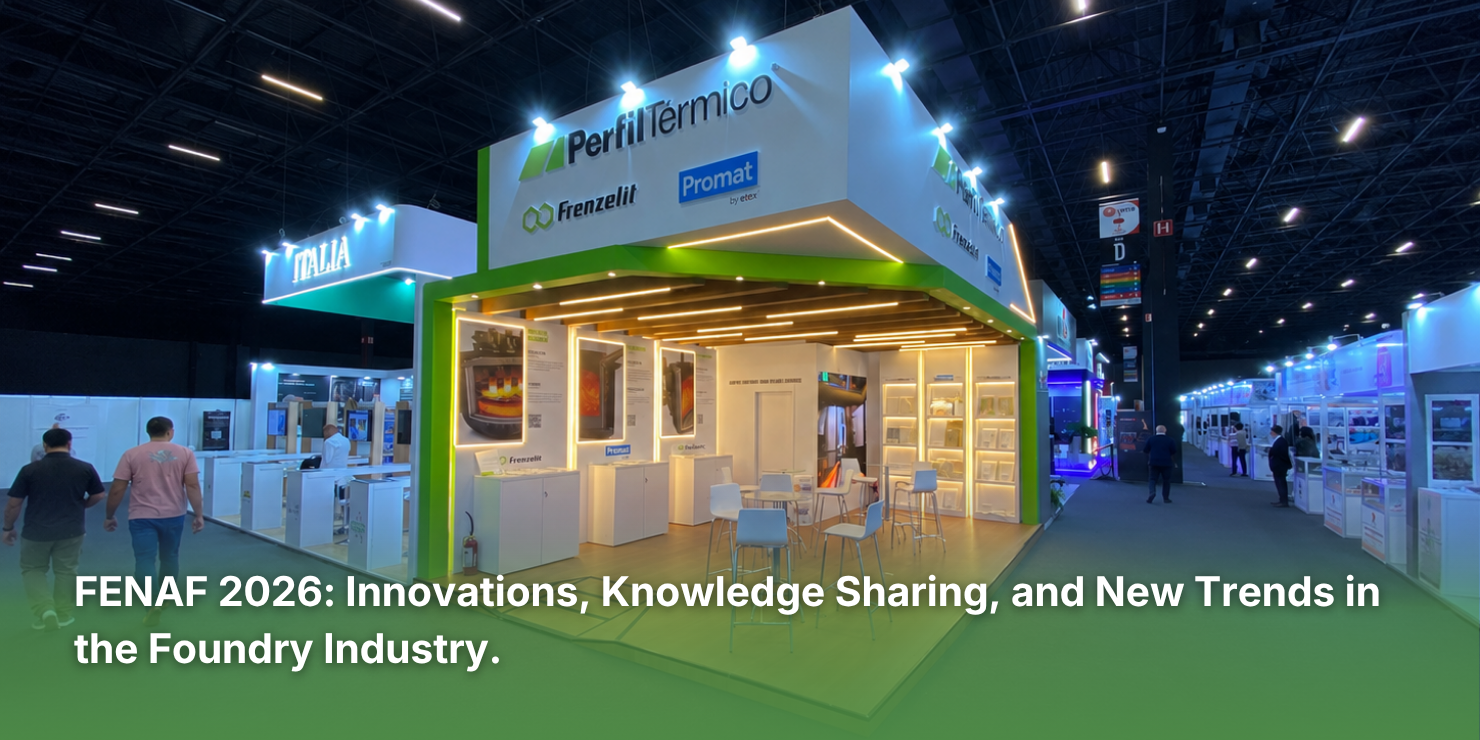
Technical Discussions on Opportunities to Advance Industrial Thermal Processes.
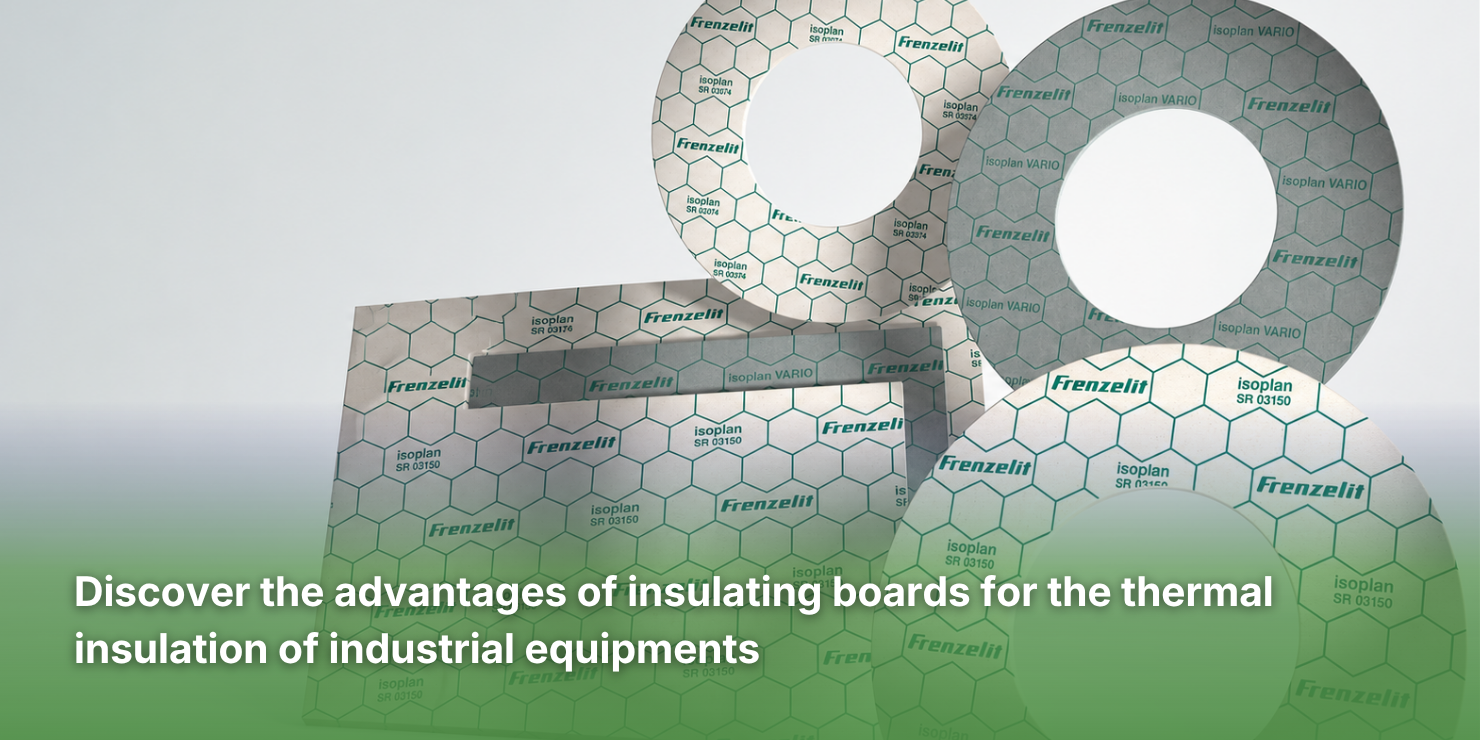
Used in a wide range of industrial applications, insulating boards offer important properties for the thermal insulation of equipment

 Carregando...


