

Mercado
October 16, 2026
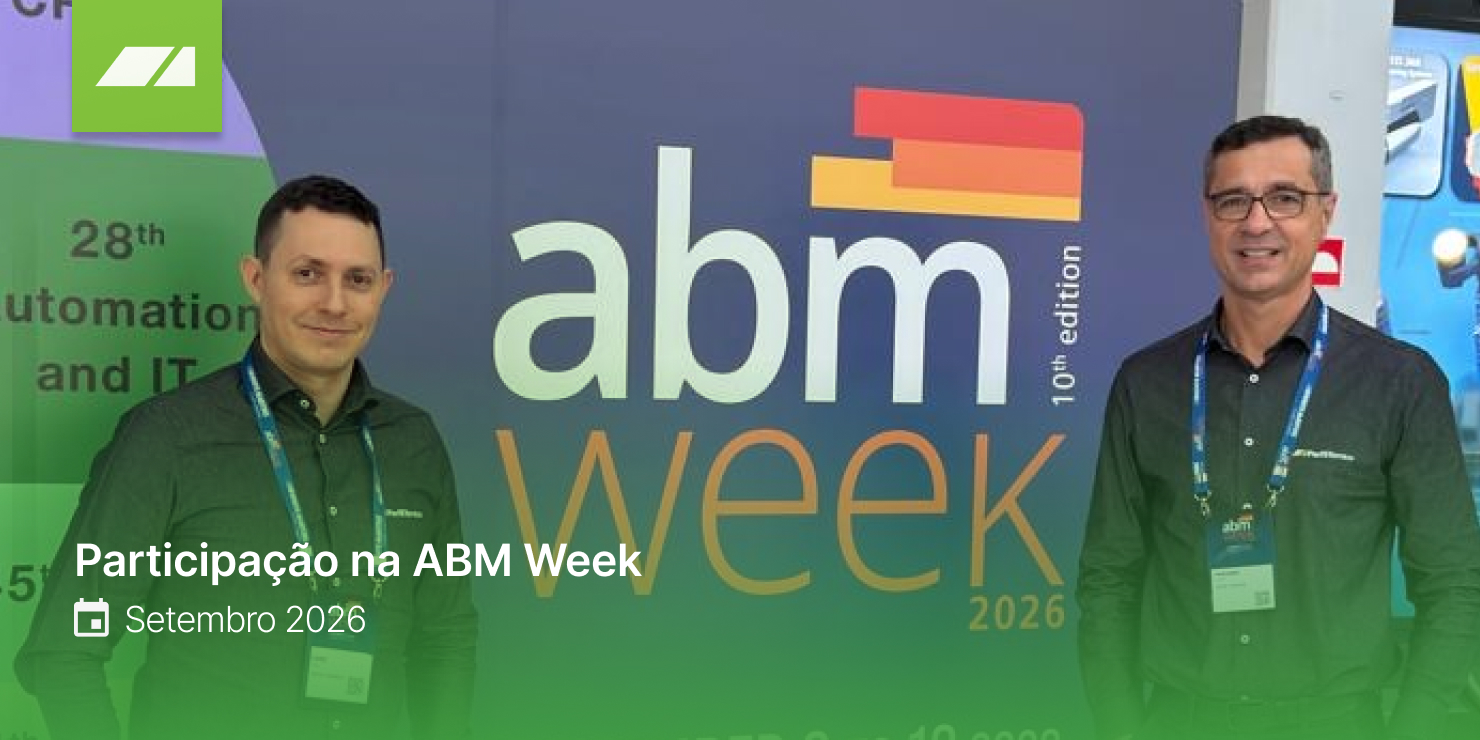
As altas temperaturas industriais e a eficiência energética na ABM Week



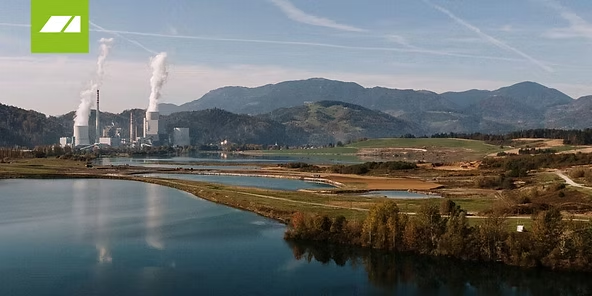
Brazil’s commitment under the Paris Agreement is to reduce carbon emissions by 37% by 2025, compared to 2005 levels. This means we have the obligation to produce in a much more sustainable way.
One of the best ways to align with sustainable production is to invest in energy efficiency (EE). Considering that the three pillars of green business are economic, environmental, and social, EE has a strong impact on the first two. At first, it may not seem logical to link 4.0 thermal processes to sustainability, but I am convinced we will connect these points in the following paragraphs.
The thermal efficiency of an industrial furnace compares the amount of energy theoretically required to operate it with the amount actually consumed, where 100% efficiency represents an ideal process and 0% represents an absolutely inefficient one. In summary, we need two numbers to calculate efficiency:
Numerator: the theoretical energy consumption of the process, calculated from the weight, the type of material, and the temperature.
Denominator: the actual amount of gas and/or electricity consumed in the process, that is, the real energy.
The digitalization of thermal processes, that is, the application of Industrial Internet concepts to this market, allows the efficiency value to be calculated continuously, in real time. In addition, it enables the process engineer to define the optimal and acceptable efficiency ranges for the process, requesting that notifications be sent to a list of recipients whenever deviations occur.
Let us use the example of an aluminum melting furnace, whose typical efficiency is 24%. It is then determined that the optimal range is up to 22% and the tolerable range is up to 20%. Therefore, during its normal operation, efficiency varies around 24%.
Now imagine that the end position of the pneumatic cylinder that drives the door has shifted, and when the door was closed, a gap was left through which heat is lost. Automatically, the control system recognizes this energy loss and increases burner power to compensate for the additional thermal loss.
And what about efficiency? Mathematically speaking, the denominator has begun to increase and, consequently, efficiency starts to decrease. This is where 4.0 technology demonstrates its strength, notifying stakeholders that efficiency is outside the optimal range. In this way, a simple intervention can be carried out, restoring the process to ideal conditions.
How many thousands of reais could be saved with this simple alert? And how many tons of greenhouse gases would no longer be emitted? And furthermore, how much productivity could be gained from the drastic reduction in machine downtime? These are benefits upon benefits, perceived both by the industrial unit (operators, maintenance staff, process engineers, managers, and shareholders) and by the environment (lower energy demand and lower demand for raw materials).
For a world less gray and more green, digitalize your thermal process!

As altas temperaturas industriais e a eficiência energética na ABM Week
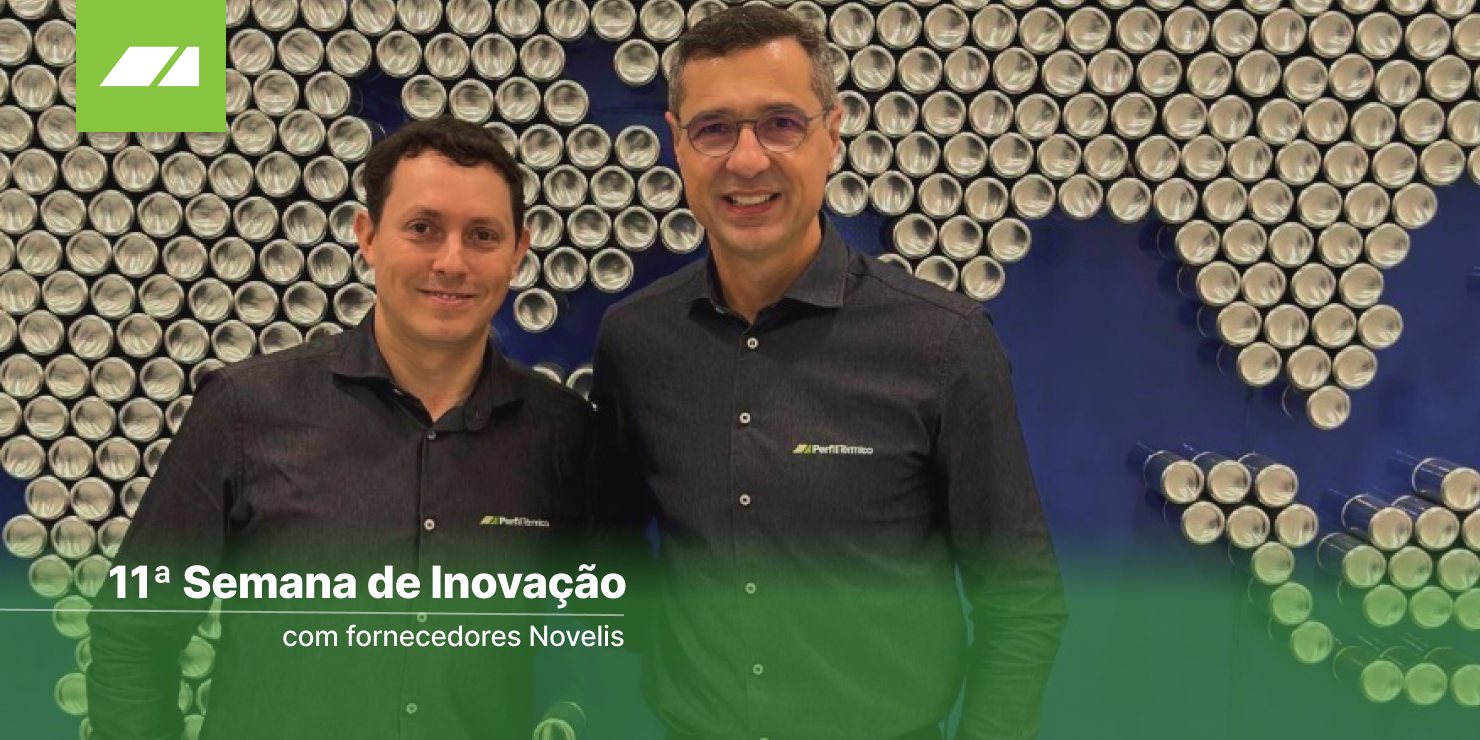
A Perfil Térmico participou da 11ª Semana de Inovação com Fornecedores da Novelis, uma das principais referências mundiais em laminação e reciclagem de alumínio, e o encontro confirmou algo que acompanhamos de perto no dia a dia da indústria: as soluções mais consistentes surgem quando cliente e fornecedor trabalham juntos com a mesma visão.
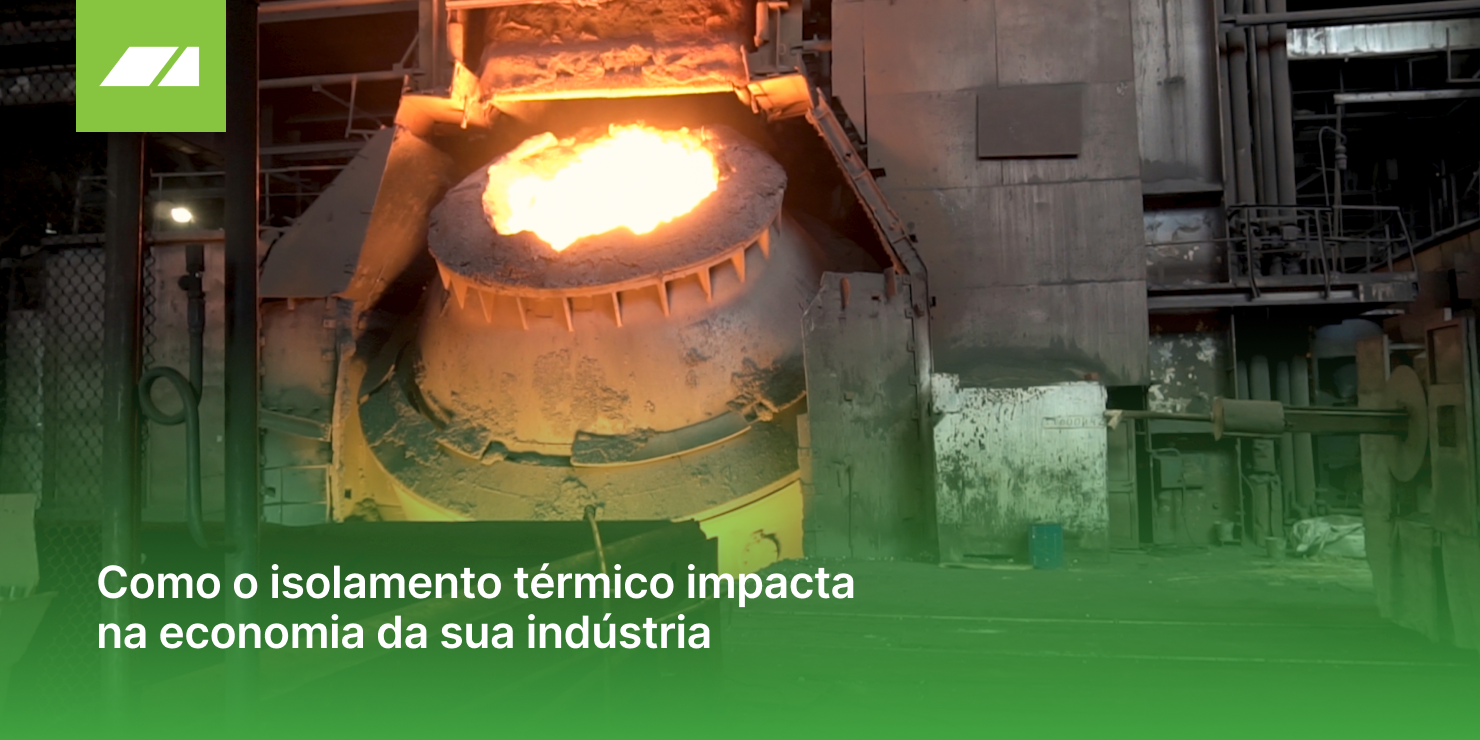
Confira as etapas para calcular a economia do isolamento térmico do seu forno, com exemplo real de retorno em menos de 09 meses


