

Mercado
October 16, 2026
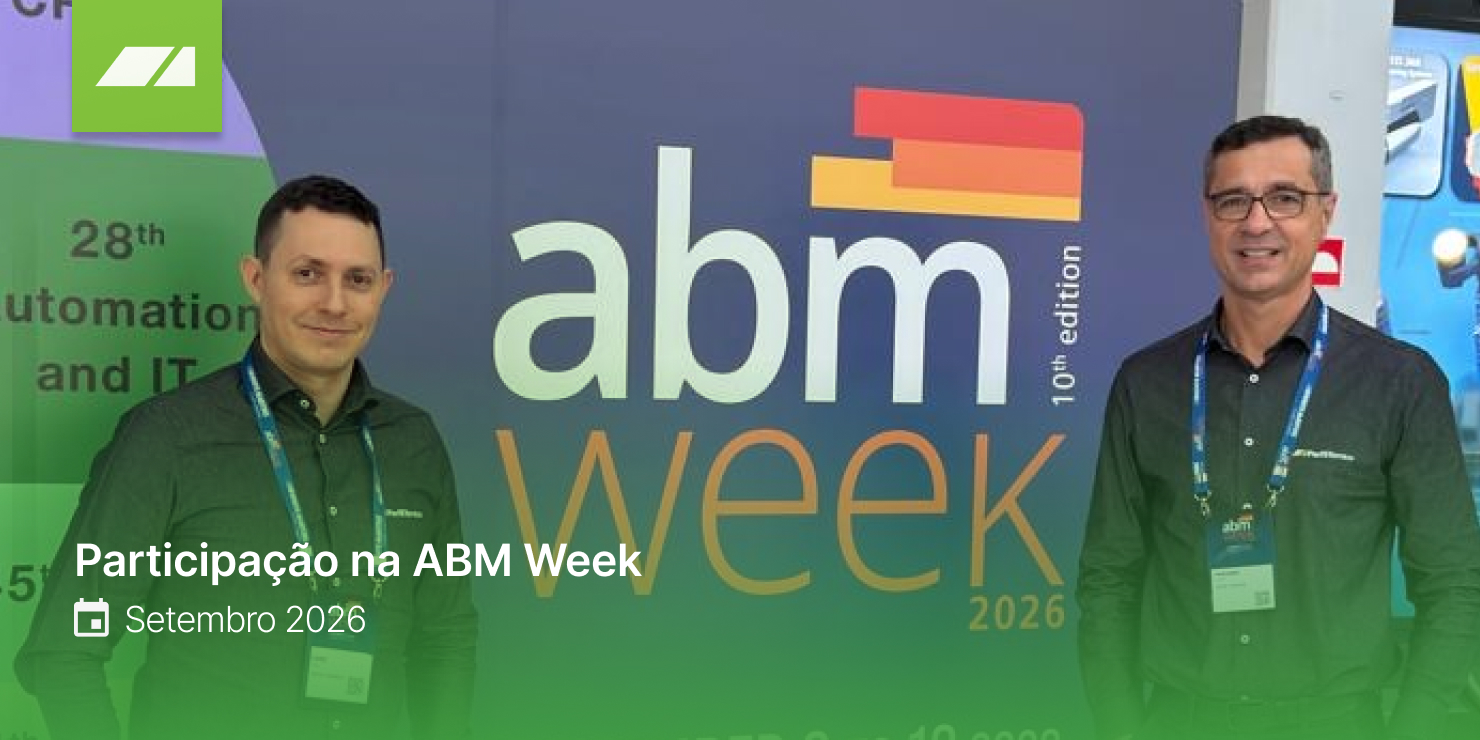
As altas temperaturas industriais e a eficiência energética na ABM Week



The use of standardized management systems is widespread in industry, particularly those related to ISO 9001, ISO 14001 and OHSAS 18001. In July 2011, the Brazilian Association of Technical Standards published ABNT NBR ISO 50001, which addresses ENERGY MANAGEMENT SYSTEMS — REQUIREMENTS WITH GUIDANCE FOR USE. This article discusses its application to thermal energy management.
Energy efficiency has increasingly become part of the discourse of governments and industrial organizations, as the benefits of producing more with less energy are easy to understand. In practice, however, the situation is very different from the theory. Energy efficiency requires, at a minimum, knowledge of the best available techniques, access to suitable equipment, capital and continuous maintenance.
Some production facilities in Brazil have the intellectual and financial resources needed to remain up to date or even develop new technologies. However, it is clear that many investments made to improve the energy efficiency of industrial processes receive little monitoring. How much energy was expected to be saved per ton processed, for example? Is this target being achieved? What ensures that performance will remain at these levels?
The workforce is a highly relevant factor in maintaining these results. Employee turnover causes the loss of information that is essential to achieving the expected return on investments in energy efficiency. Therefore, the widely promoted concept of energy efficiency also depends on the work of operators and maintenance personnel.
This is where the main benefit of ISO 50001 becomes clear. In general terms, the standard requires an assessment of past and present energy consumption, use and efficiency in relation to the relevant variables that affect significant energy use.
For example, a graph may show the consumption of natural gas used in vehicle painting processes over several years, according to each month, since ambient temperature is a relevant variable.
In other words, during the summer months, consumption in kWh per vehicle is lower than during the winter months. Following this assessment, the areas of significant energy use are identified, since priority should naturally be given to the highest consumption levels and the lowest efficiencies.
The next step is one of the most complex and relevant: identifying opportunities to improve energy performance in areas of significant consumption.
At this stage, the collected data may be compared with reference values from similar plants within the same group, competing plants or theoretical values. Based on these data, energy baselines, energy performance indicators, objectives, targets and the action plan are then established.
Following the implementation and operation of the action plan, CONTINUOUS VERIFICATION is carried out through MONITORING, MEASUREMENT AND ANALYSIS. Nonconformities, corrections, corrective actions and preventive actions are identified at this stage, which is subject to audits. As in any management system, these data are submitted to management review with the objective of continual improvement, completing the PDCA cycle.
In our view, ISO 50001 is incorrectly associated exclusively with electrical energy management. We have argued that it should also be applied to thermal energy management, since thermal energy consumption in industry is much higher than electricity consumption.
Data from the Brazilian Energy Balance, base year 2012, prepared by the Energy Research Office (EPE), show industrial energy consumption by source. Electricity accounts for only 20.3%. Sugarcane bagasse, mineral coal and natural gas, fuels that generate energy through combustion, which is a thermal process, account for 44.2%, more than twice the share of electricity.
We therefore conclude that ISO 50001 can be an important tool for the continual improvement of industrial thermal processes, generating economic and environmental benefits for Brazilian industries.

As altas temperaturas industriais e a eficiência energética na ABM Week
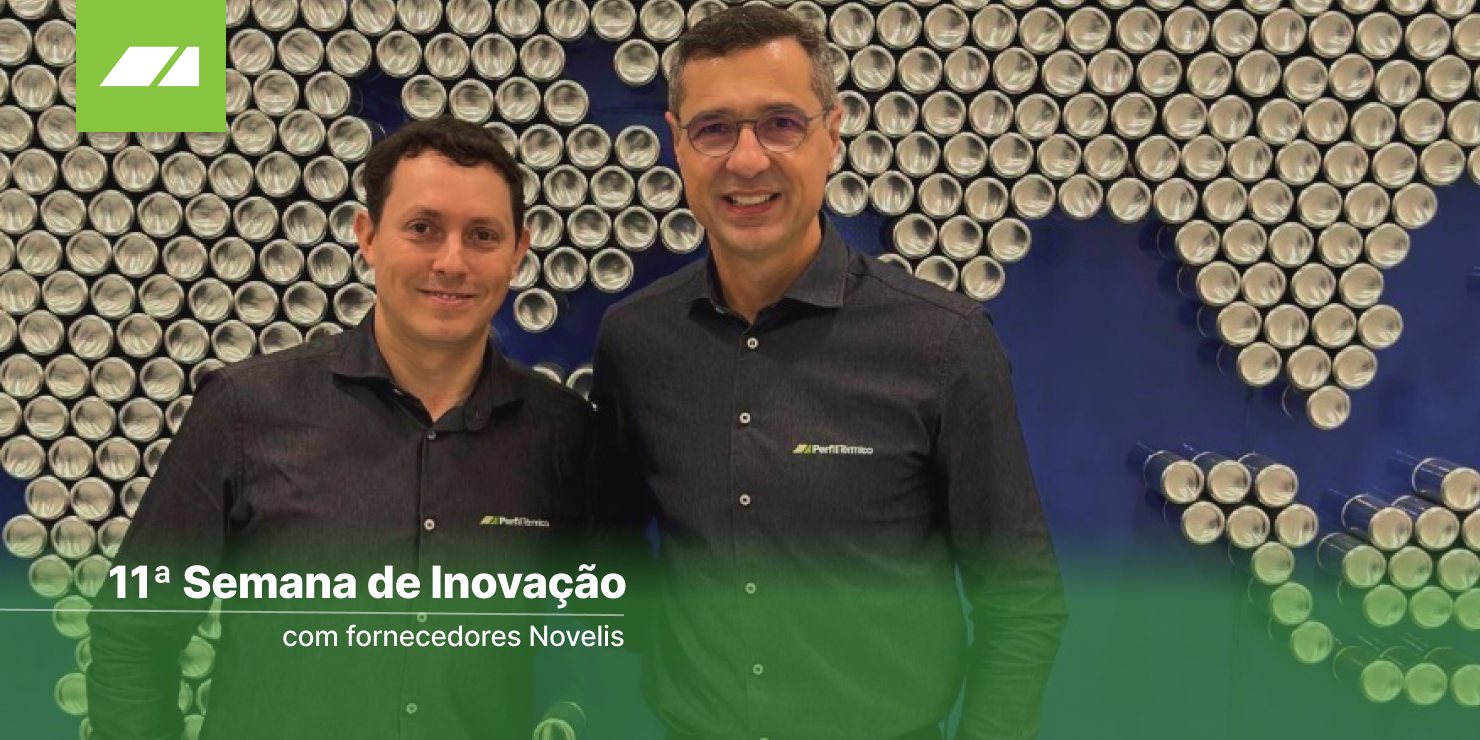
A Perfil Térmico participou da 11ª Semana de Inovação com Fornecedores da Novelis, uma das principais referências mundiais em laminação e reciclagem de alumínio, e o encontro confirmou algo que acompanhamos de perto no dia a dia da indústria: as soluções mais consistentes surgem quando cliente e fornecedor trabalham juntos com a mesma visão.
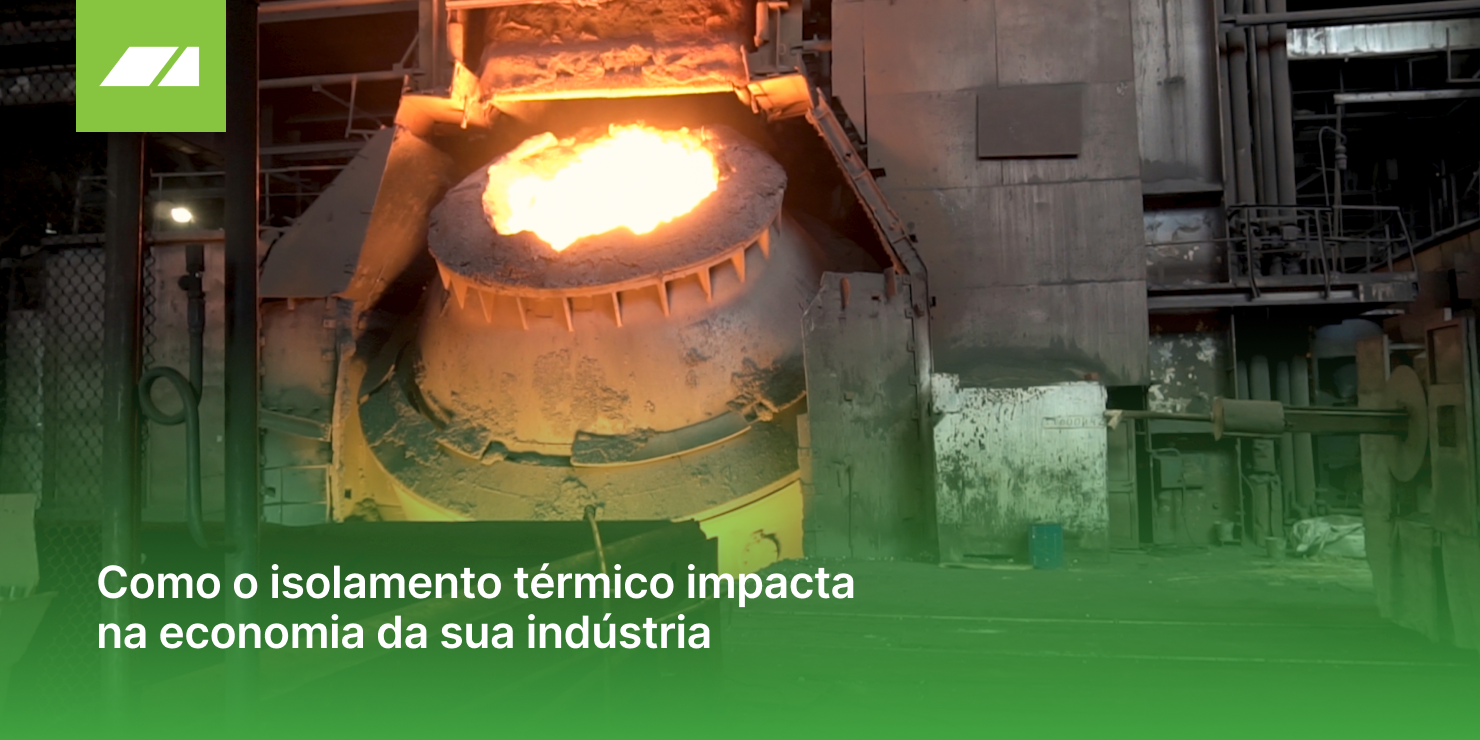
Confira as etapas para calcular a economia do isolamento térmico do seu forno, com exemplo real de retorno em menos de 09 meses


