

Market
August 19, 2026
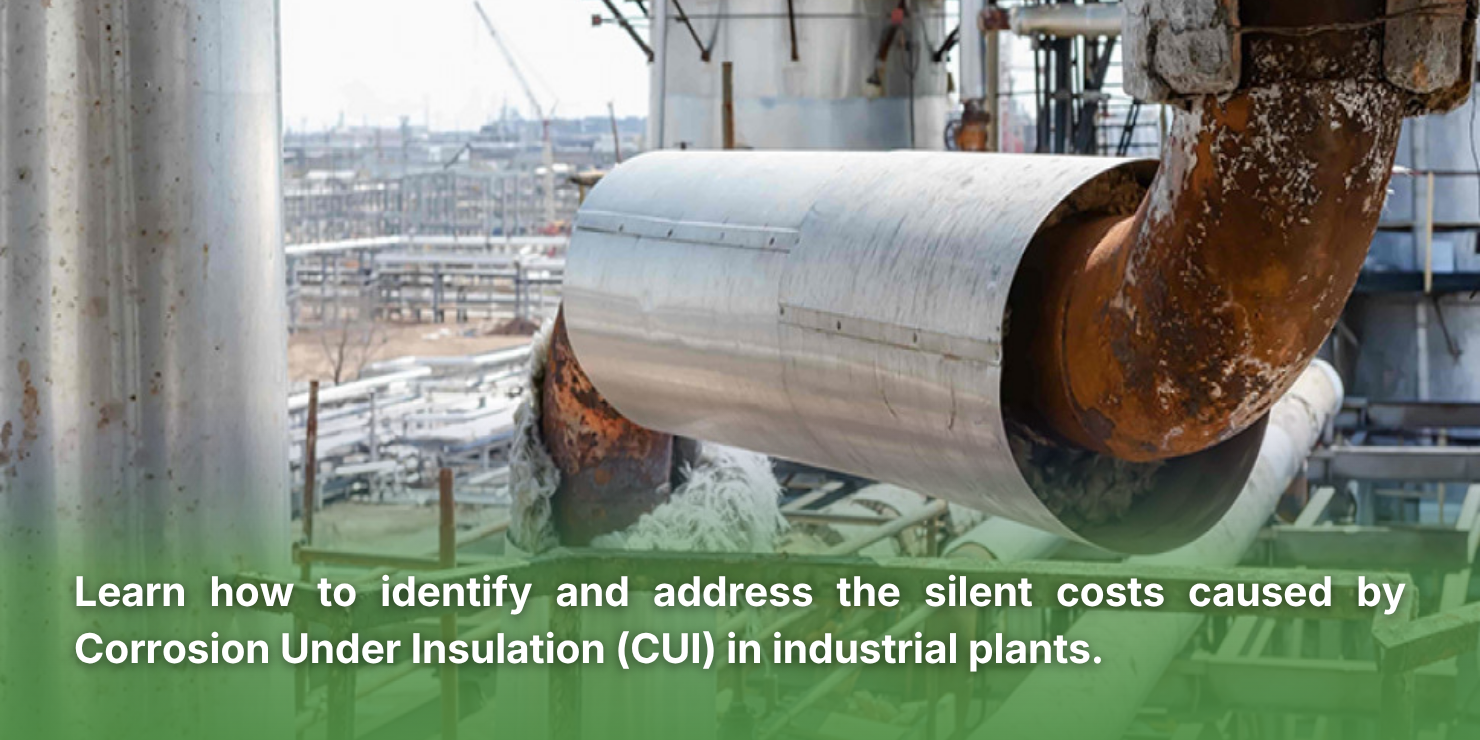
Understand why CUI can remain hidden, the impacts it can have on operations, and how different insulation systems influence asset inspection and maintenance.



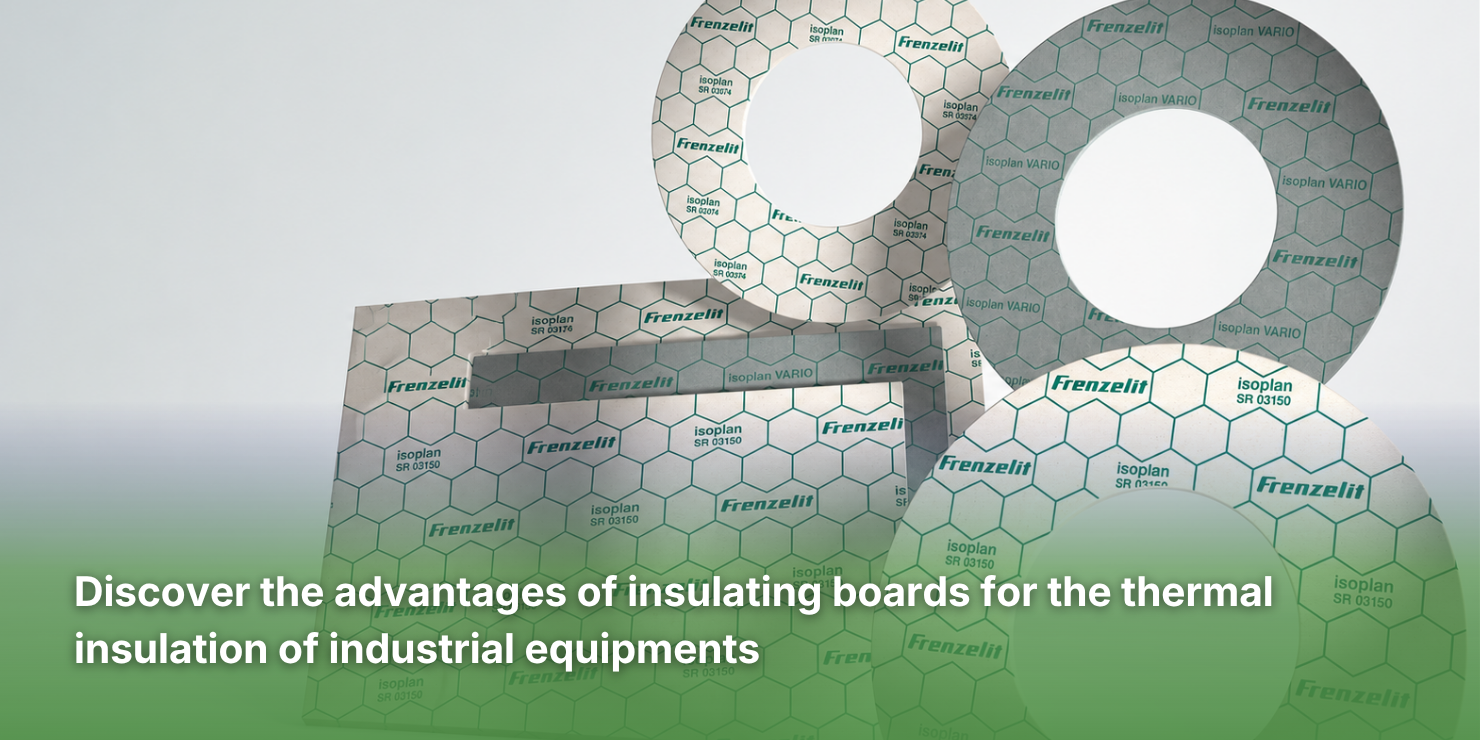
In equipment operating at high temperatures, the thermal insulation system may consist of different materials, selected according to the application conditions.
Among the different solutions available are insulating boards, a category of materials used in furnaces, launders, ladles, heaters, tundishes and other industrial equipment operating at temperatures of up to 1200°C.
In Brazil, Perfil Térmico supplies Isoplan® insulating boards, manufactured by the German company Frenzelit. Founded in 1881, the company has more than 140 years of experience in the development and manufacture of materials for thermal insulation, seals, expansion joints, and technical composites.
What are insulating boards and what are their characteristics?
Insulating boards are materials manufactured by pressing high-temperature-resistant mineral fibers, functional fillers, and a small amount of binders.
The fibers used may have different compositions and classifications, including biosoluble options that minimize the impact of insulation materials on human health. These differences in material composition directly influence properties such as application temperature, thermal conductivity, and mechanical strength.
Available solutions include the Isoplan® GREENLINE and Isoplan® VARIO product lines, as well as Isoplan® VARIO GREENLINE, each with its own specific formulation, properties, and application possibilities.
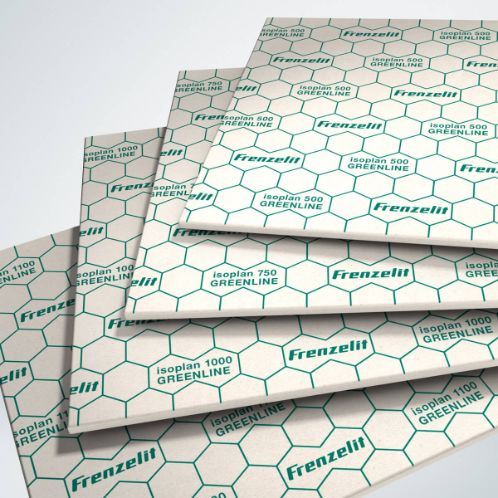
The Isoplan® GREENLINE insulating boards were developed for industrial thermal insulation and are available in the following grades:
Isoplan® GREENLINE 750 — Recommended temperature: 750°C
Isoplan® GREENLINE 1000 — Recommended temperature: 1000°C
Isoplan® GREENLINE 1100 — Recommended temperature: 1100°C
Made from biosoluble mineral fibers, these materials have low thermal conductivity and do not use fibers classified as SVHC — Substances of Very High Concern according to the criteria of the European REACH Regulation.
Ease of processing is another key characteristic of this product line. The materials can be cut, drilled, and milled using conventional tools, making it easier to adapt them to the dimensions of the equipment. When moistened, boards with thicknesses of up to 10 mm can also be bent to conform to curved geometries, such as the surfaces of foundry ladles.
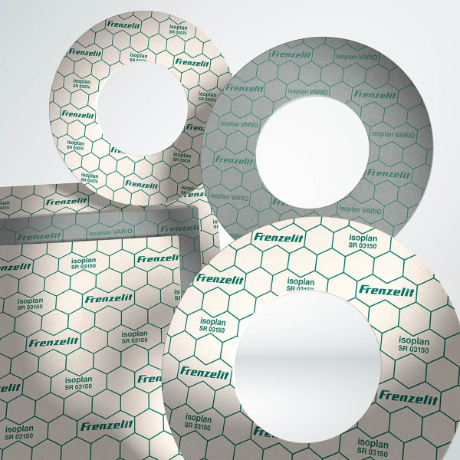
The Isoplan® VARIO and Isoplan® VARIO GREENLINE product lines, in turn, are primarily intended for the manufacture of steel conveyor rollers used in the steel industry, combining mechanical strength and dimensional stability with performance at recommended application temperatures of up to 1200°C.
These materials can be machined and ground, exhibit low wear during operation, and allow for the restoration of the roller surface throughout its service life. These properties contribute to the durability of the assembly and to the preservation of the surface quality of the steel being transported.
The main difference between the two product lines lies in the fiber composition. Isoplan® VARIO uses ceramic fibers, while Isoplan® VARIO GREENLINE uses high-temperature biosoluble AES wool. Both versions offer similar thermal and mechanical properties, with slight differences in their maximum application limits.
How to specify the right insulating board?
Defining a thermal insulation system involves comparing different materials while considering the required performance and the equipment’s design constraints.
In this process, insulating boards may be considered for applications requiring low thermal conductivity, availability in thin thicknesses, ease of processing, and adaptability to project dimensions. Depending on the product line and application conditions, their formability can also facilitate installation on curved surfaces.
The choice between an insulating board and other solutions should consider factors such as:
expected temperature at the insulation location;
required reduction in heat transfer;
available thickness;
equipment geometry;
mechanical loads;
need for cutting, machining, or forming the material.
Perfil Térmico analyzes the equipment’s thermal, mechanical, and design conditions to compare different insulation alternatives and determine the solution that best meets the process requirements.
Contact our technical team through our website to evaluate your application and identify the most suitable insulation configuration for your equipment.

Understand why CUI can remain hidden, the impacts it can have on operations, and how different insulation systems influence asset inspection and maintenance.
Technical Discussions on Opportunities to Advance Industrial Thermal Processes.
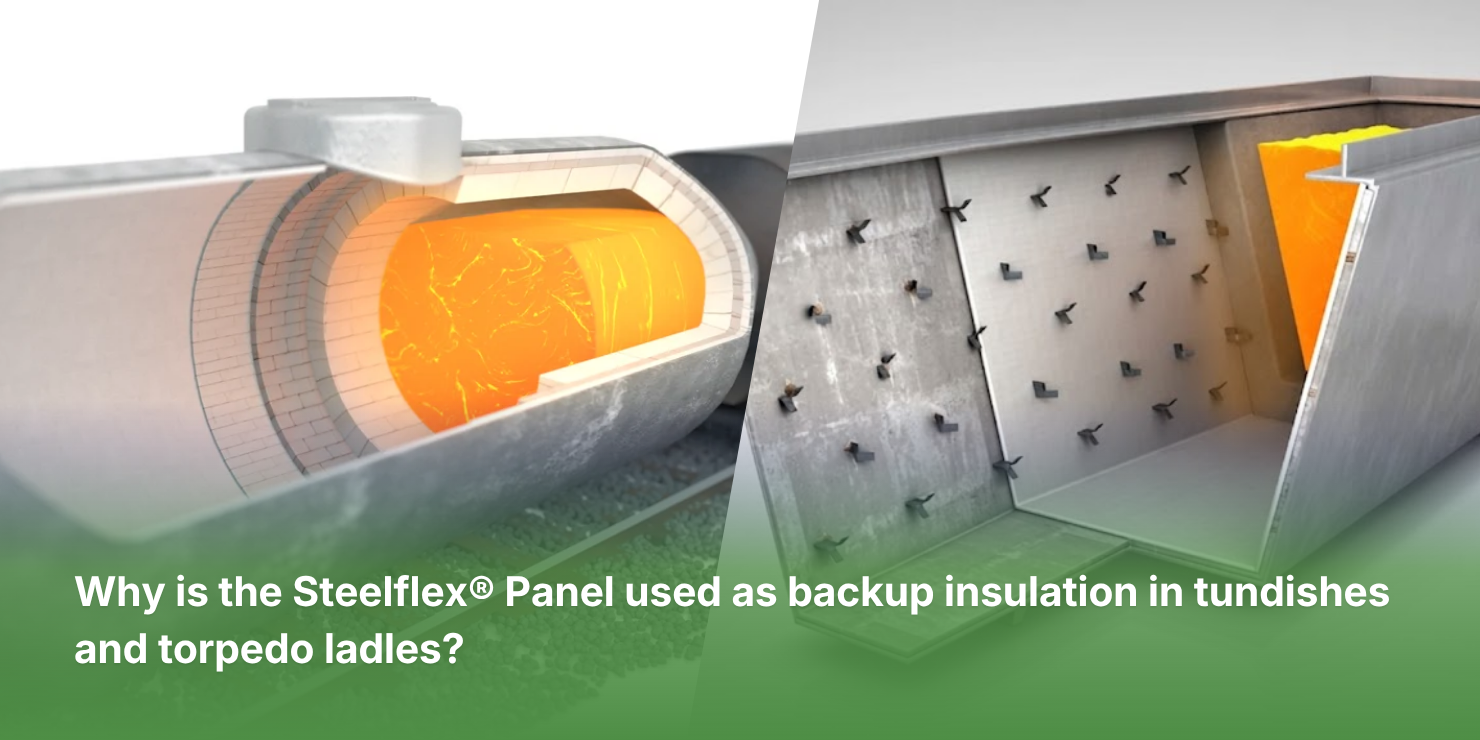
Low thermal conductivity, high mechanical strength, ease of installation and long service life are some of the factors that make Steelflex® an excellent choice for the steel industry.

 Carregando...


