


Market
August 19, 2026
Understand why CUI can remain hidden, the impacts it can have on operations, and how different insulation systems influence asset inspection and maintenance.



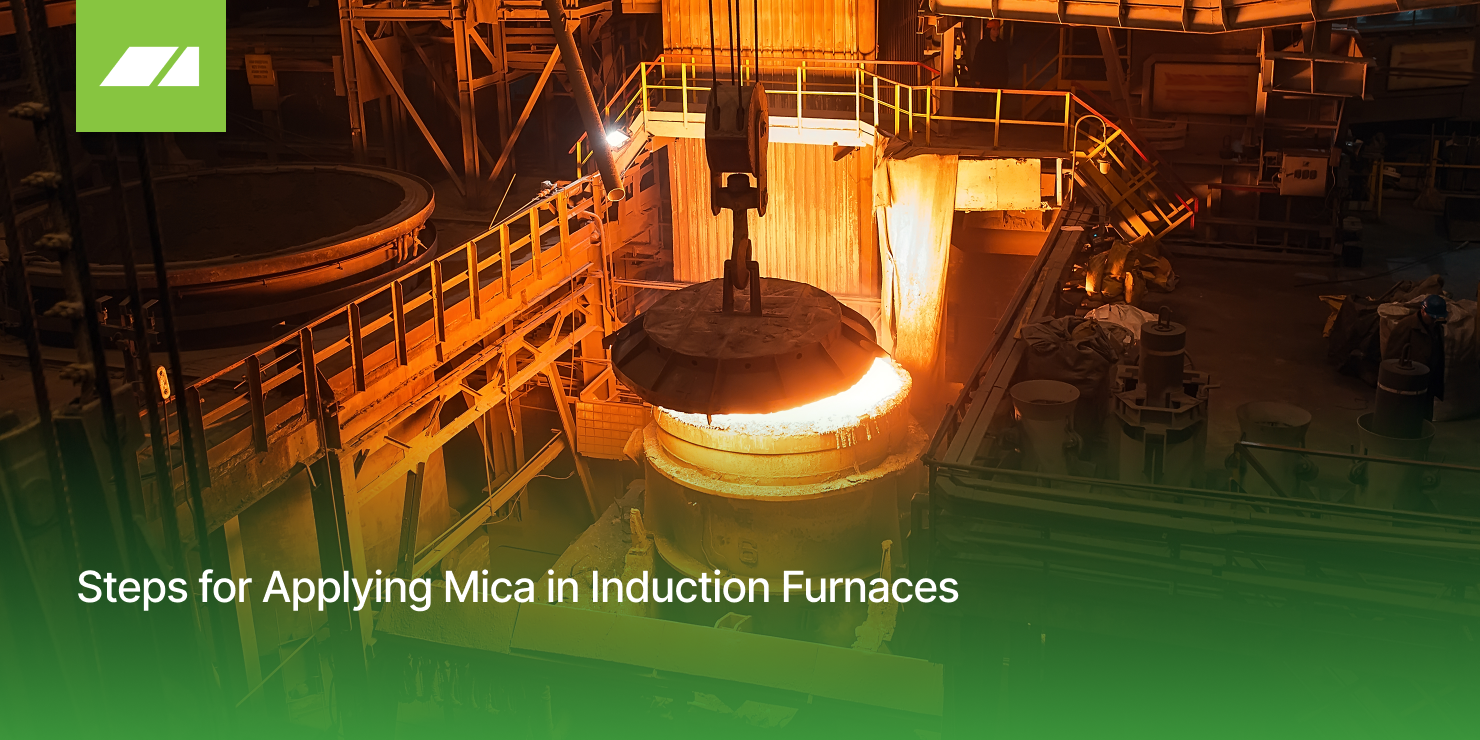
In an industrial environment that demands high performance and unquestionable safety, induction furnaces represent a fundamental pillar in various production processes. The efficiency and longevity of these furnaces critically depend on the quality of their internal components — and this is precisely where mica-based thermo-electric insulating materials stand out as an irreplaceable element. Far from being mere “sheets or plates,” these materials form the foundation of safe, optimized, and efficient operation, complementing the furnace’s complex control and heating systems.
Mica is a natural mineral known for its exceptional properties, making it ideal for high-temperature and electrically demanding environments. Its mineral composition provides remarkable heat resistance, withstanding temperatures up to 1,600 °C, a crucial advantage in thermally intensive industrial processes. Beyond its thermal capacity, mica exhibits outstanding electrical insulation, with dielectric strength often exceeding 20 kV/mm — a key factor in preventing dielectric breakdowns and protecting electrical systems exposed to radiation or high-frequency waves.
The thermo-electric insulating plates from Perfil Térmico, such as the Rigimica Plate, are produced from mica paper (muscovite or phlogopite, non-calcined) combined with epoxy or silicone resins under high pressure and temperature. This manufacturing process results in an almost homogeneous structure, giving the product remarkable strength. Mica’s low thermal conductivity and excellent dimensional stability under intense thermal cycling contribute directly to furnace reliability and structural integrity.
One of the most notable advantages of mica products is their flexibility. Materials like Flexmica exemplify this property, allowing the necessary slip for refractory expansion. This flexibility is essential to prevent cracks and deformations in the furnace lining, reducing corrective maintenance needs and enhancing structural stability.
Additionally, the burning of binder agents used in mica production does not release harmful gases, odors, or smoke, providing important benefits for occupational health and safety.
The proper application of mica requires attention to detail and strict adherence to engineering and safety best practices. Selecting the correct mica material is a decisive factor in ensuring performance and durability.
To help you, we have outlined six key steps:
Thorough preparation of the furnace before mica application
Strategic selection of the appropriate mica product
Accurate cutting and careful handling of mica sheets
Application of the mica sliding layer
Installation of the refractory lining and post-application verification
Final inspections and essential safety measures
Before applying mica, perform complete safety checks to ensure the furnace is turned off, fully cooled, and properly grounded and insulated.
Next, carry out meticulous cleaning: remove all dust, slag, and residues from previous insulation layers on the coil mortar surface to ensure proper mica adhesion.
Finally, inspect the coil mortar for cracks or defects and repair them with compatible mortar to create a smooth and uniform surface that allows proper mica sliding and prevents tearing.
For an efficient application, the mica composition must be suited to the operating temperature, which may involve muscovite, phlogopite, or other minerals.
In induction furnaces, mica papers reinforced with fiberglass are recommended due to their higher mechanical strength and dimensional stability — essential to withstand severe mechanical and thermal stresses.
When cutting and handling mica sheets, always use appropriate tools: handle the material with clean gloves to prevent contamination, and use a sharp knife or scissors on a clean, flat surface.
Sheets should be cut to size in vertical strips matching the coil wall height. Although flexible, mica can tear if mishandled — avoid folding or applying excessive tension.
Begin by positioning the mica strip vertically along the coil wall, ensuring the mica side faces the furnace interior. When multiple sheets are required, maintain an overlap of 100 mm between them.
Secure the upper edge using halogen-free water-based adhesive or high-temperature tape to keep the mica in place.
Finally, ensure the sheet is completely flat — free from wrinkles or air bubbles — to allow the refractory to expand and contract without damaging the coil or insulation.
After applying the mica, proceed with the standard installation of the refractory lining or ramming mass, placing the mica layer between the refractory and the coil coating mortar.
Once the installation is complete, check that the mica remains intact and properly positioned, with no displacement or rupture, before beginning furnace drying or the initial heating cycle.
In the final step, verify once more that all mica sheets are securely fixed, covering the entire coil mortar surface, and that no edges are exposed to potential tearing or detachment during operation.
Also confirm that all grounding and electrical insulation checks have been completed before starting the furnace.
Proactive maintenance is the key to extending the lifespan of mica insulation and ensuring continuous furnace operation.
During routine inspections, evaluate mica condition: signs of wear, cracking, or displacement require immediate replacement to avoid severe failures.
In furnaces with mica heaters, precise temperature control is essential to prevent overheating and damage to both mica and adjacent components.
Finally, maintain detailed records of mica installation dates, inspection findings, and any interventions performed. Such documentation adds significant value for future reference, performance evaluation, and warranty purposes.
While applying mica in induction furnaces may seem detailed, it is a strategic and essential process for maintaining operational safety and efficiency.
This flexible mineral, with its remarkable dielectric strength and heat resistance, offers robust protection to induction coils, minimizing the risk of electrical and thermal failures.
By following this technical guide, companies can significantly reduce furnace downtime, optimize production processes, and simplify maintenance routines.
Mica is not merely an insulating material — it is an investment in safety, productivity, and equipment longevity, directly contributing to energy efficiency and operational continuity in steel and metal production.
With extensive expertise and high-quality products, Perfil Térmico is your strategic partner in this journey, ensuring that your thermal operations are carried out with maximum performance and reliability.

Understand why CUI can remain hidden, the impacts it can have on operations, and how different insulation systems influence asset inspection and maintenance.

Technical Discussions on Opportunities to Advance Industrial Thermal Processes.
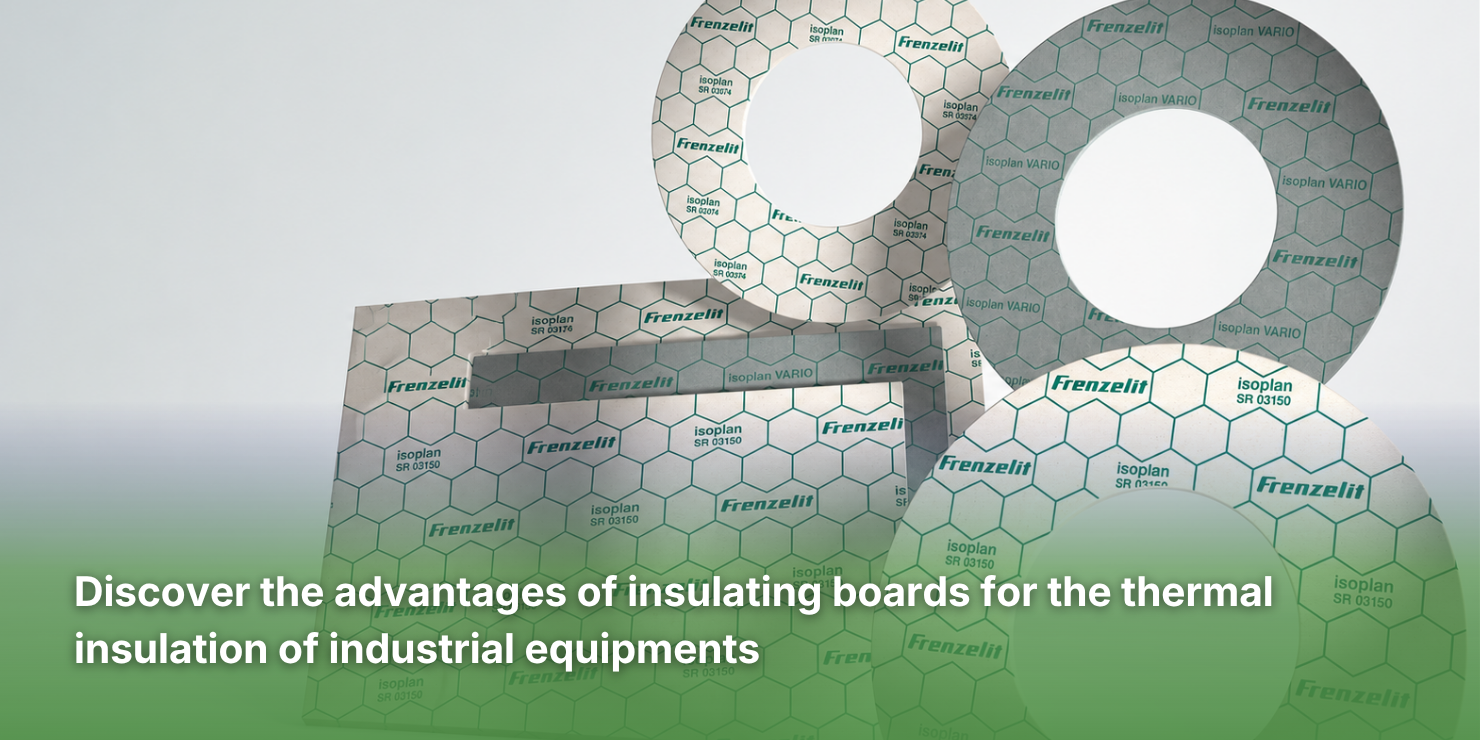
Used in a wide range of industrial applications, insulating boards offer important properties for the thermal insulation of equipment

 Carregando...


