

Market
August 19, 2026
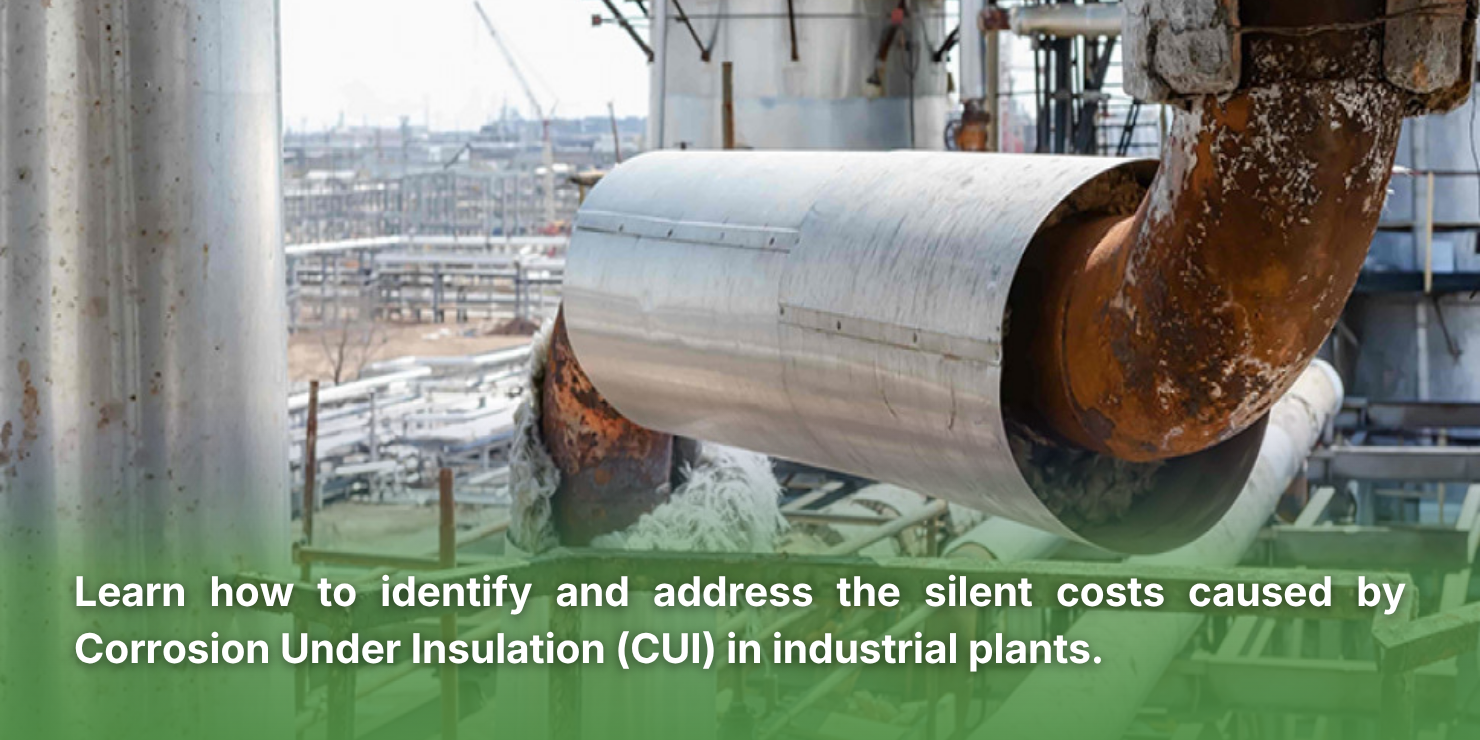
Understand why CUI can remain hidden, the impacts it can have on operations, and how different insulation systems influence asset inspection and maintenance.




Thermal insulation materials are refractory products with low thermal conductivity, low heat storage and total porosity greater than 45% by volume. These two thermal properties are based on the materials’ high porosity and associated low density. These characteristics are also linked to adverse properties, such as relatively low mechanical strength and susceptibility to corrosion due to the easy infiltration of gases, vapors and molten materials.
These materials are used in thermal processing units to reduce heat losses and therefore increase energy efficiency.
The advantages of these insulation materials in industrial furnace engineering are clear:
Optimized specific energy consumption;
Increased overall efficiency of high-temperature units;
Emission benefits / reduction in carbon dioxide emissions;
Reduced external wall temperature;
Reduced installed mass and wall thickness;
Lower overall furnace structure weight, including lighter steel shells and lower structural requirements;
Easy and fast installation;
Faster equipment start-up;
Increased equipment availability and productivity due to shorter cycles, especially in the case of equipment [sentence incomplete in the original];
Improved product quality through precise furnace temperature control.
Insulation materials are classified as follows:
Insulating bricks and insulating firebricks (IFB);
Products based on insulating fibers;
Other insulation materials.
Would you like to learn more about our thermal insulation products?
Contact us and schedule a brief presentation.

Understand why CUI can remain hidden, the impacts it can have on operations, and how different insulation systems influence asset inspection and maintenance.

Technical Discussions on Opportunities to Advance Industrial Thermal Processes.
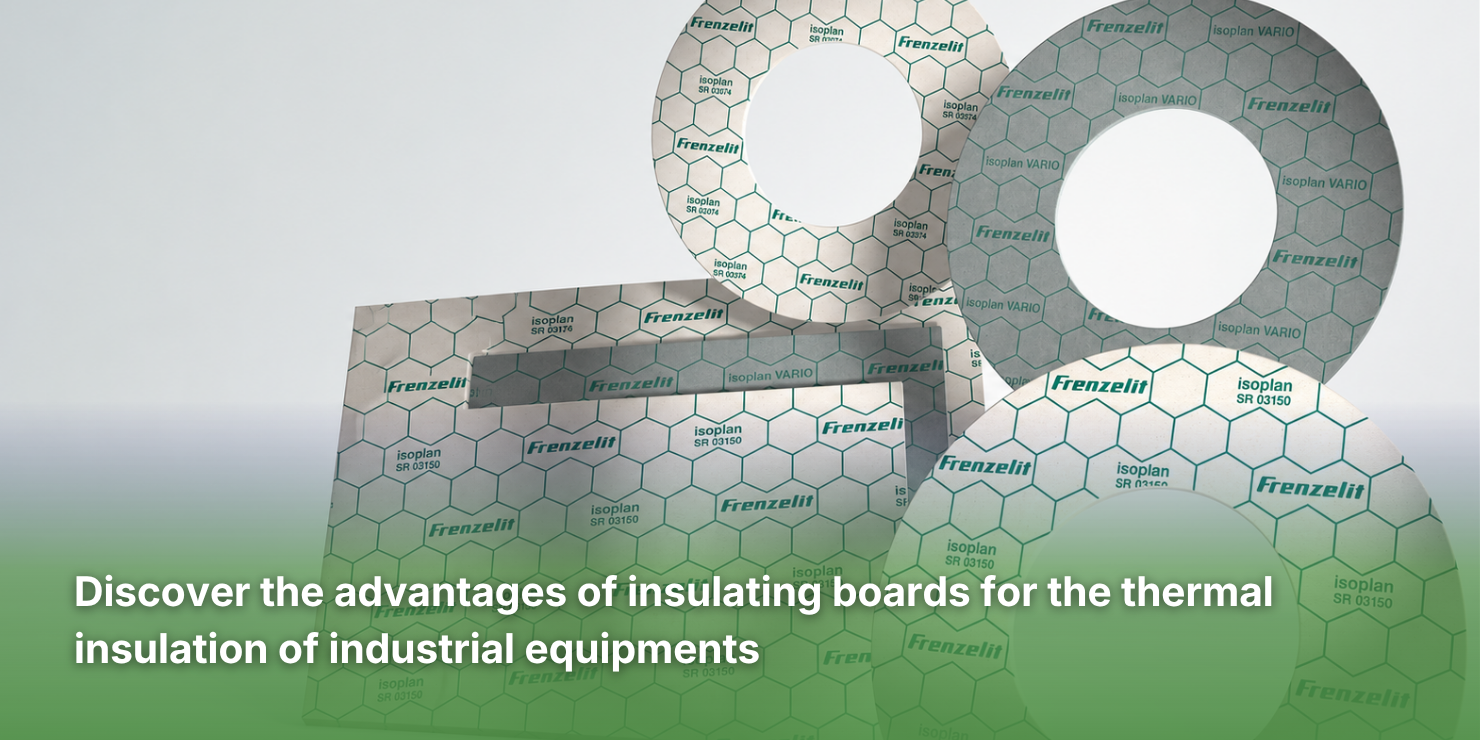
Used in a wide range of industrial applications, insulating boards offer important properties for the thermal insulation of equipment

 Carregando...


