


Market
August 19, 2026
Understand why CUI can remain hidden, the impacts it can have on operations, and how different insulation systems influence asset inspection and maintenance.



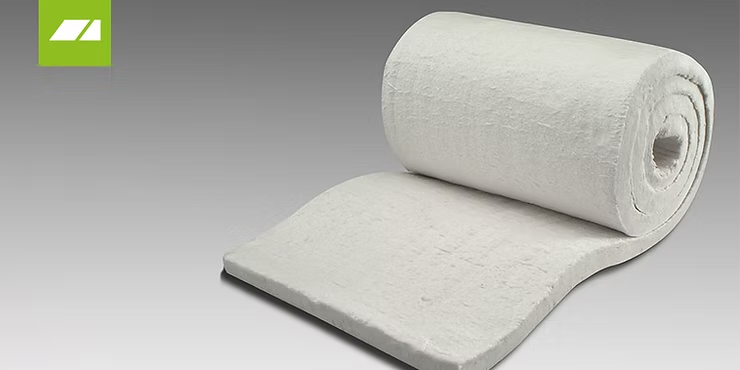
AES blankets are manufactured using the same technology as traditional refractory fiber blankets, i.e., electric resistance melting. Fiberization of the molten material occurs either by blowing or by spinning. Due to the alkaline earths added to the raw material, the melting point of this fiber is below 1600 °C. By comparison, the melting temperature of traditional refractory ceramic fiber (ASW/RCF) is around 2000 °C, thanks to the high purity of the raw materials used.
AES blankets are composed mainly of CaO, MgO, and SiO₂. There are three different types, according to the following compositions:
a) CMS: CaO + MgO + SiO₂
b) CS: CaO + SiO₂
c) MS: MgO + SiO₂
These fibers were developed in the late 1980s as a substitute and supplementary material to aluminosilicate fibers (ASW/RCF). Depending on the type, they are produced with different amounts of alkaline earths. Because of this relatively high alkaline earth content, these fibers are not as chemically and physically resistant as aluminosilicate fibers (ASW/RCF). For example, the melting point of AES is lower. In addition, when in contact with other refractory oxides, such as Al₂O₃, physical-chemical reactions may occur, further reducing the melting point.
AES fiber products are mainly used in household appliances and in industrial applications with temperatures up to 900 °C. Therefore, the typical application range of AES blankets is between 300 and 1200 °C, with the most suitable range being around 900 °C. It is important to note that between 900 and 1200 °C, AES products may only be used under specific conditions, and field tests are recommended before use.
One of the main advantages of these fibers is compliance with European Directive 97/69/EC, which classifies materials according to their potential carcinogenicity, in this case based on their non-biopersistence. In other words, these fibers do not accumulate in the human body.
According to EN 1094-1, the chemical composition of AES blankets must fall within the following ranges:
AES Chemical Composition
CaO + MgO: 18–43%
SiO₂: 50–82%
Al₂O₃ + TiO₂: <6%
Other oxides: <1%
Commercially, AES blankets produced in Brazil are marketed under the trade names SuperWool (Morganite) and Insulfrax (Unifrax).

Understand why CUI can remain hidden, the impacts it can have on operations, and how different insulation systems influence asset inspection and maintenance.

Technical Discussions on Opportunities to Advance Industrial Thermal Processes.
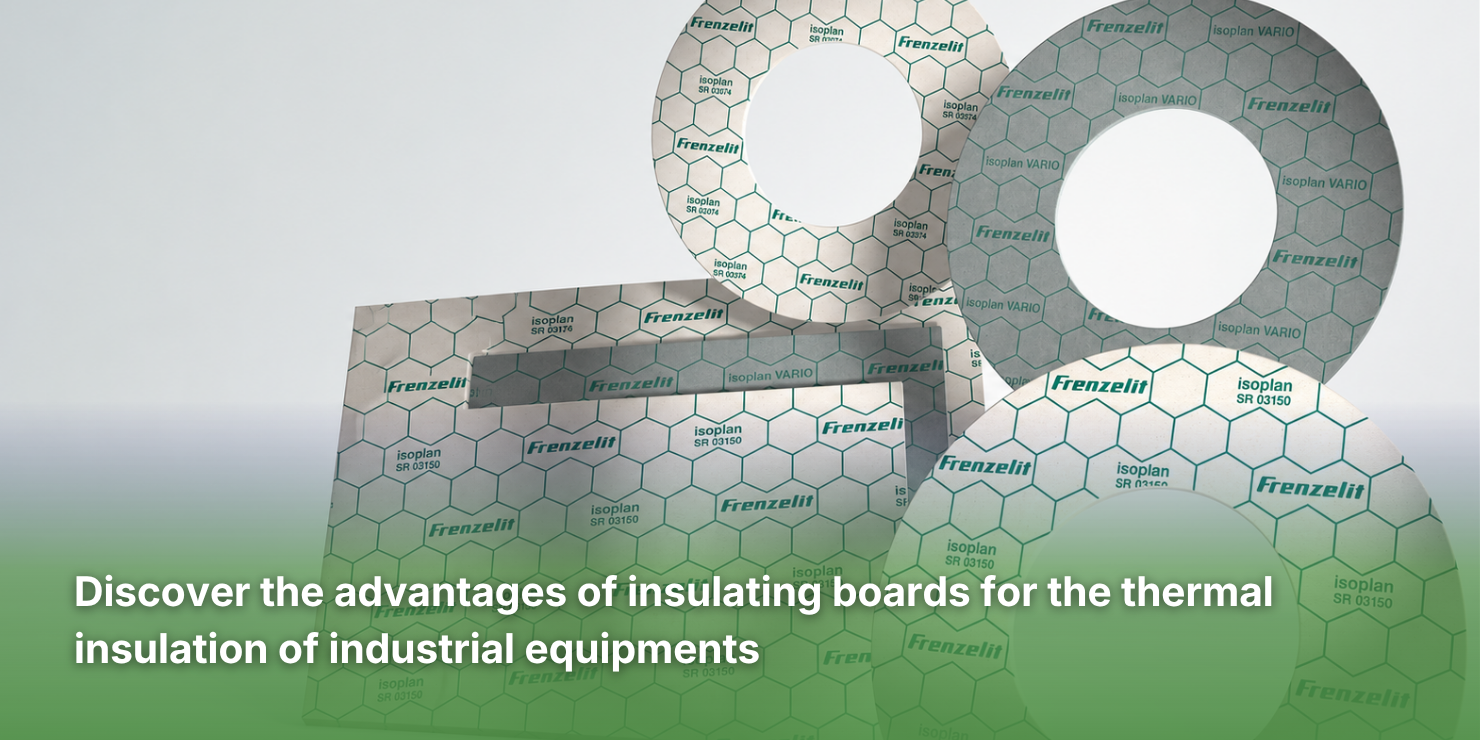
Used in a wide range of industrial applications, insulating boards offer important properties for the thermal insulation of equipment

 Carregando...


